
Childhood obesity is becoming a significant concern in India, with a growing number of children affected by this health issue. The increase in obesity rates among children is alarming, as it sets the stage for various health complications later in life. Addressing this issue is crucial for ensuring a healthy future generation.
Understanding the Causes of Childhood Obesity
Several factors contribute to the rising rates of childhood obesity in India. A major cause is the shift in dietary habits, with an increased consumption of processed and high-calorie foods. These foods are often low in essential nutrients yet dense in calories, leading to weight gain. Additionally, the availability of sugary beverages and snacks has surged, making unhealthy options easily accessible to children.
Another significant factor is the lack of physical activity. With the advent of digital technology, children are spending more time indoors engaged in sedentary activities like watching television or playing video games. This decrease in physical activity not only contributes to weight gain but also affects overall health and well-being.
The Impact of Urbanization and Lifestyle Changes
Urbanization has brought about lifestyle changes that further exacerbate the issue of childhood obesity. In urban settings, children often have limited access to open spaces for physical activities. The fast-paced lifestyle in cities also leads to a reliance on fast food and convenience meals, which are typically unhealthy.
Moreover, the pressure of academic performance often results in less time for physical activities, as children prioritize studying over exercising. The stress associated with academic expectations can also lead to emotional eating, contributing to weight gain.
Warning Signs to Watch For
Parents need to be vigilant about the warning signs of obesity in their children. These signs include rapid weight gain, difficulty in physical activities, and signs of social withdrawal. Children may also exhibit early symptoms of health issues such as joint pain or difficulty breathing during physical exertion.
Monitoring your child's body mass index (BMI) can provide insights into their weight status. Regular check-ups with healthcare providers can help identify potential concerns early, allowing for timely interventions.
Strategies for Parents to Combat Childhood Obesity
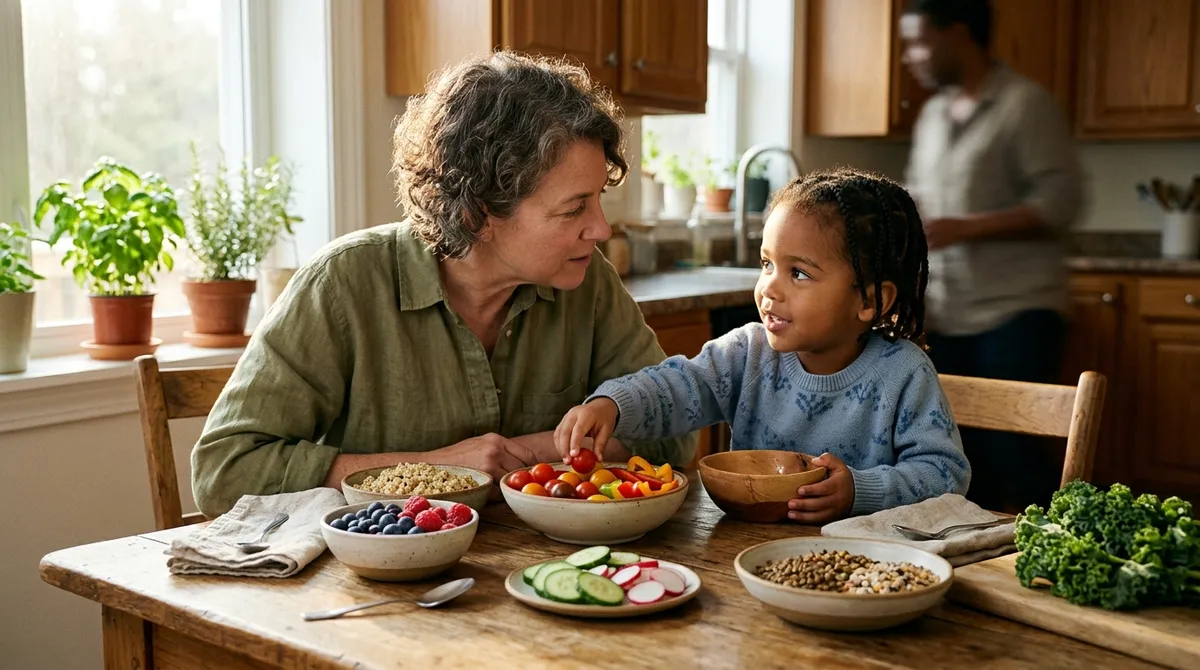
Parents play a crucial role in managing and preventing obesity in their children. Encouraging healthy eating habits is a vital step. This can be done by incorporating more fruits, vegetables, and whole grains into daily meals. Limiting the intake of sugary drinks and snacks can also make a significant difference.
Physical activity should be an integral part of a child's daily routine. Parents can promote exercise by engaging in outdoor activities with their children, such as cycling, walking, or playing sports. Setting limits on screen time can also help redirect children towards more active pursuits.
Fostering a Supportive Environment
Creating a supportive home environment is essential for fostering healthy habits. Parents should lead by example by adopting healthy lifestyles themselves. Encouraging open communication about health and wellness can also empower children to make informed choices.
Schools and communities can support these efforts by providing opportunities for physical activities and education on nutrition. Collaborative efforts between parents, schools, and healthcare providers can create a comprehensive approach to tackling childhood obesity.
The Path Forward
Addressing childhood obesity requires a multi-faceted approach involving dietary changes, increased physical activity, and supportive environments. By taking proactive measures, parents can help their children develop healthier lifestyles, reducing the risk of obesity-related complications in the future.
Raising awareness about childhood obesity and its implications is crucial for building a healthier society. Through education and collaboration, it is possible to reverse the trend and ensure a brighter, healthier future for the coming generations.