TL;DR: Many Western parents are finding inspiration in Indian parenting traditions. From co-sleeping to meaningful names, these practices offer fresh insights for raising happy, healthy children.
Introduction
As parents navigate the vast sea of parenting advice, there’s something refreshingly enriching about learning from other cultures. Ksenia Kala, a European mom who embraced Indian parenting traditions after marrying into an Indian family, shares how these practices transformed her approach to raising children. In this article, we’ll explore some of her favorite parenting insights that highlight the beauty of blending cultural traditions and modern parenting.
The Power of Co-Sleeping
Embracing Closeness
One significant difference between many Western and Indian parenting styles is the practice of co-sleeping. While Western parents often gravitate toward cribs and separate sleeping spaces, Indian families commonly share sleeping quarters with their children. This practice fosters an incredible sense of closeness and security for both the parents and the child.
Ksenia has found that co-sleeping not only nurtures her children’s emotional needs but also allows for easier nighttime responses for feeding or comforting. It may be worth considering how this ancient practice can enhance the parent-child bond, especially in our busy modern lives.
The Joy of Oil Massage
Nurturing Through Touch
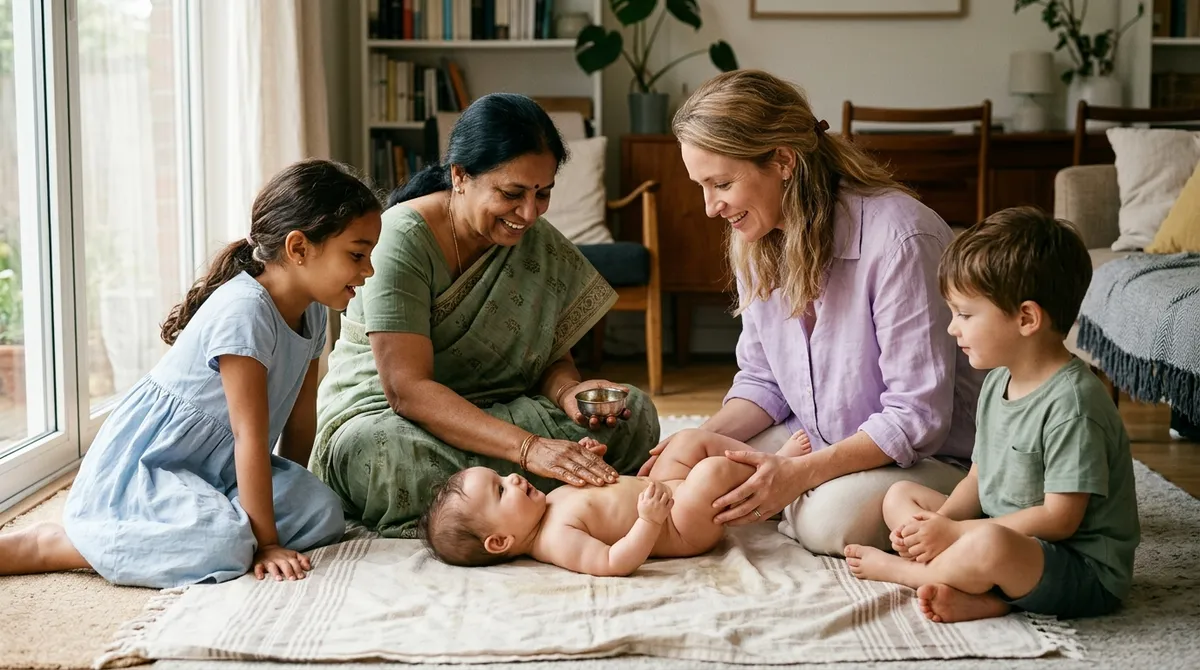
In Indian culture, oil massages for babies are seen as a crucial part of their early development. These gentle massages help improve blood circulation, enhance skin texture, and establish a loving touch that can soothe an infant. Ksenia embraced this practice and started integrating daily massages into her routine with her children.
Not only does massage offer physical benefits, but it also strengthens emotional connections. It’s a beautiful ritual that creates moments of joy and bonding, proving that a little bit of tender care goes a long way in parenting.
Meaningful Names Matter
The Weight of Identity
In India, names are often chosen with deep cultural relevance and meaning, sometimes linked to traits or virtues parents wish to imbue in their children. Ksenia shares how she became more conscious about the names she chose for her kids, opting for ones that reflect their backgrounds and characteristics she hopes they’ll embody.
This practice encourages parents everywhere to be thoughtful about the names they give. A name isn’t just a label; it’s a piece of identity that can shape a child’s self-perception and connection to their heritage.
Celebrating Birthdays with Significance
A Milestone for Moms
In many cultures, a child’s birthday celebration is not just about the child. In India, it’s also a special milestone for mothers, emphasizing the journey of motherhood itself. Ksenia found this approach refreshing – rather than a consumer-driven event focused solely on the child, it acknowledges the hard work and sacrifices mothers make.
This perspective shift can encourage parents to reflect on their own journeys during these celebrations, creating a more meaningful and connected family event.
Learning from Diverse Cultures
What Can We Borrow?
The evolving landscape of parenting requires openness and flexibility. As Ksenia’s story illustrates, adopting practices from different cultures can enrich one’s parenting style. There are countless lessons to be learned from traditions around the world.
By being receptive to new ideas, parents can discover practices that resonate with their values, offering new avenues for raising emotionally healthy children. So why not share and invite discussion? What parenting traditions did you initially question but grew to love?
Conclusion
Embracing traditions from cultures beyond our own can be a beautiful way to create a rich, meaningful family life. Ksenia Kala’s experiences remind us that parenting is not a one-size-fits-all journey. Instead, it’s an opportunity to explore, connect, and nurture our loved ones in ways that celebrate both heritage and modernity. Whether it’s co-sleeping, oil massages, meaningful names, or understanding the deeper significance behind birthdays, there’s always something new to learn and adopt on this exciting parenting journey.