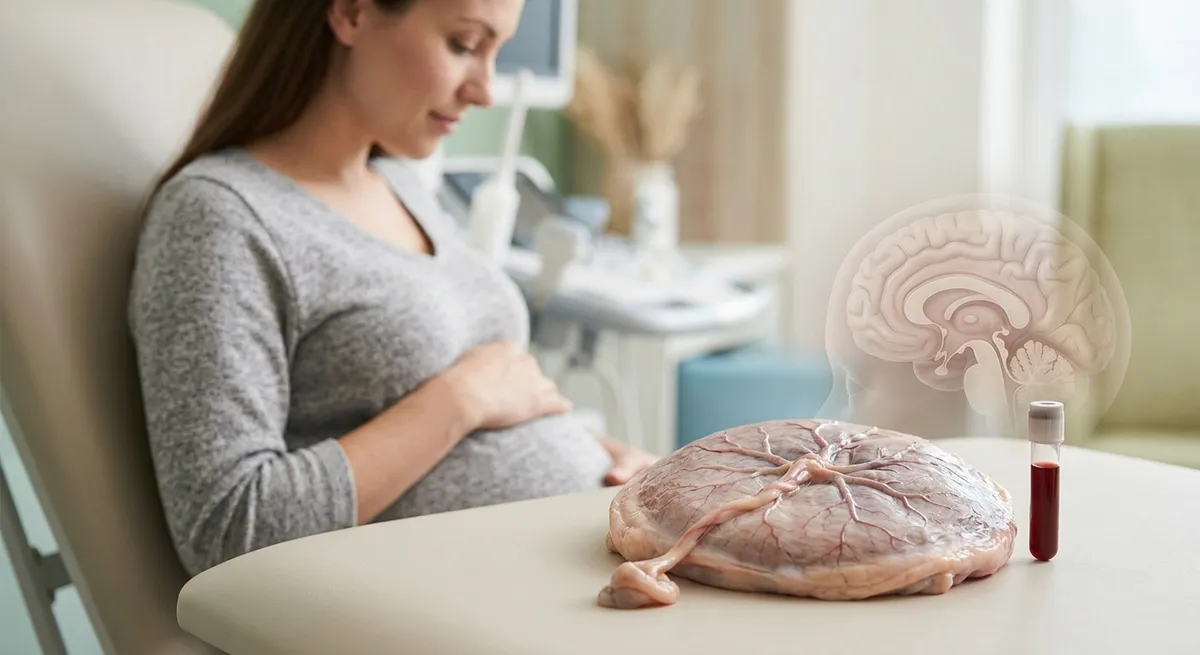

Navigating postpartum life can be overwhelming, with countless changes and challenges that come after childbirth. Recent research from Wroclaw Medical University sheds light on a less-discussed but crucial aspect of postpartum recovery: the link between pelvic floor symptoms and mental health. Understanding this connection is vital for ensuring that new mothers receive the comprehensive care they deserve.
The Postpartum Reality
After giving birth, many women experience pelvic floor symptoms, such as pain, bleeding, itching, and bowel difficulties. These issues are often minimized or kept silent due to the stigma surrounding them. However, this study suggests that these physical symptoms can be tied to more significant emotional health struggles, particularly depression and low self-esteem.
What the Study Found
The research indicates that women suffering from pelvic floor issues are more likely to report depressive symptoms and feelings of inadequacy. This connection shows that postpartum care shouldn’t only focus on physical healing but must also consider the mental health implications that arise from these often isolating experiences. Addressing symptoms like anorectal pain and incontinence can help improve a woman's overall sense of well-being and self-worth.
Normalizing the Conversation
One major takeaway from this research is the need to normalize discussions about postpartum discomfort. Many women feel ashamed or embarrassed to talk about issues like rectal bleeding or pain related to bowel movements. Yet, it’s crucial to recognize that these symptoms can have a profound impact on mental health and should be treated with the same seriousness as more visible postpartum issues.
Importance of Interdisciplinary Care
Comprehensive postpartum care should include both physical recovery and mental health support. This means that healthcare providers need to work together across disciplines—gynecologists, psychologists, and physical therapists—to provide holistic care to new mothers. Understanding these interconnected issues can foster an environment where women feel supported and empowered to seek help without shame.
Seeking Help and Support
If you're experiencing any uncomfortable symptoms postpartum, know that you are not alone, and these issues warrant attention. Seeking medical advice can help manage physical discomfort and alleviate some of the emotional burdens associated with these symptoms. By addressing them, you can work towards restoring both your body and spirit.
Most Importantly: Your Health Matters
Postpartum discomfort can often feel like something to endure quietly, but it doesn’t have to be that way. Acknowledging the link between pelvic floor symptoms and mental health is crucial for every woman's recovery journey after childbirth. By prioritizing your health, including both physical symptoms and emotional well-being, you’re taking a vital step towards healing and self-acceptance.