As the school doors swing open again, it's time to pivot from summer freedom to the structured routine of the school year. But amidst stocking up on supplies and organizing schedules, one key aspect often gets overlooked: your child's health. This article will walk you through creating a comprehensive back-to-school health checklist to ensure your kids remain energized, focused, and ready to thrive in the classroom.
Focus on Nutrition
Good nutrition is foundational to your child's health and academic success. Here’s how to build a better food routine:
1. Plan Healthy Lunches
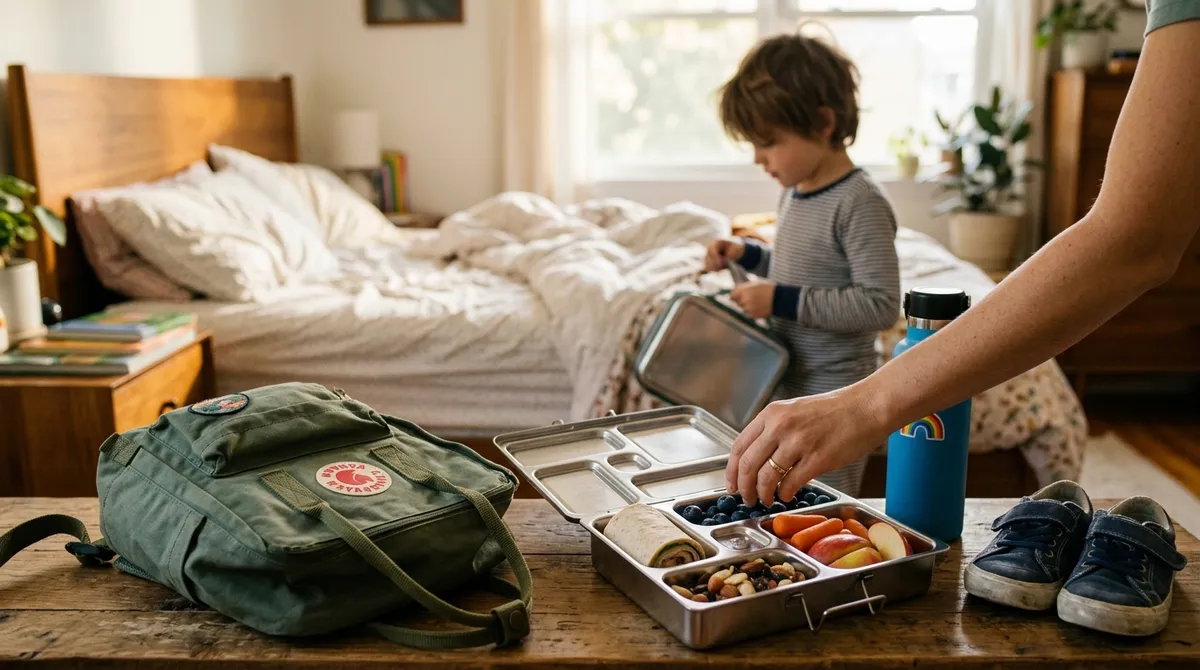
Design a week's worth of lunch options that are nutritious and easy to prepare. Consider including items such as:
- Whole-grain wraps or sandwiches with lean proteins like turkey or chicken
- Fresh fruits and vegetables like carrot sticks, berries, or apple slices
- Nutritious snacks such as yogurt, cheese sticks, or trail mix
2. Snack Smart
Stock the pantry with healthy snack alternatives. Swap chips and sugary treats for items like:
- Popcorn seasoned with herbs
- Sliced cucumbers and hummus
- Homemade granola bars with oats and nuts
3. Hydration Matters
Remind your kids to drink water throughout the day. Consider:
- Including a reusable water bottle in their backpack
- Adding fruit slices to water for added flavor
- Packing a low-sugar sports drink for after physical activities
Promote Daily Physical Activity
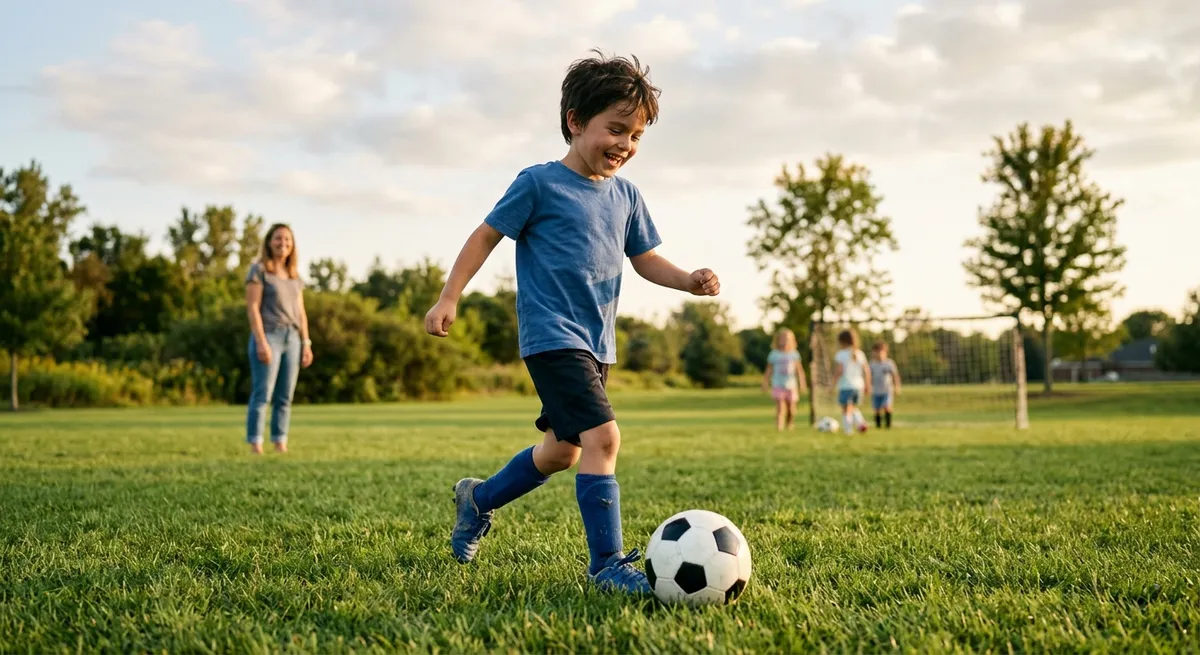
Integrating 60 minutes of movement into each school day can boost your child’s mental and physical health. Here’s how:
1. Active Commutes
Whenever possible, encourage walking or biking to school. Even a stroll around the block can count towards their daily movement.
2. Incorporate Movement Breaks
Schedule short breaks for physical activity during homework time. Simple stretches or a few jumping jacks can reset focus and reduce fatigue.
3. Encourage Extracurricular Activities
Help your child join sports teams, dance classes, or any physical club that interests them. Finding an activity they love can make exercise a fun part of their routine.
Age-Based Sleep Needs
Children's sleep needs vary according to their age and development. Here's a simple guide to ensure your child gets enough rest:
1. Preschoolers (3-5 years)
Require 10-13 hours of sleep per night.
- Establish a consistent bedtime routine that promotes winding down.
2. Elementary Age (6-13 years)
Need about 9-11 hours of sleep.
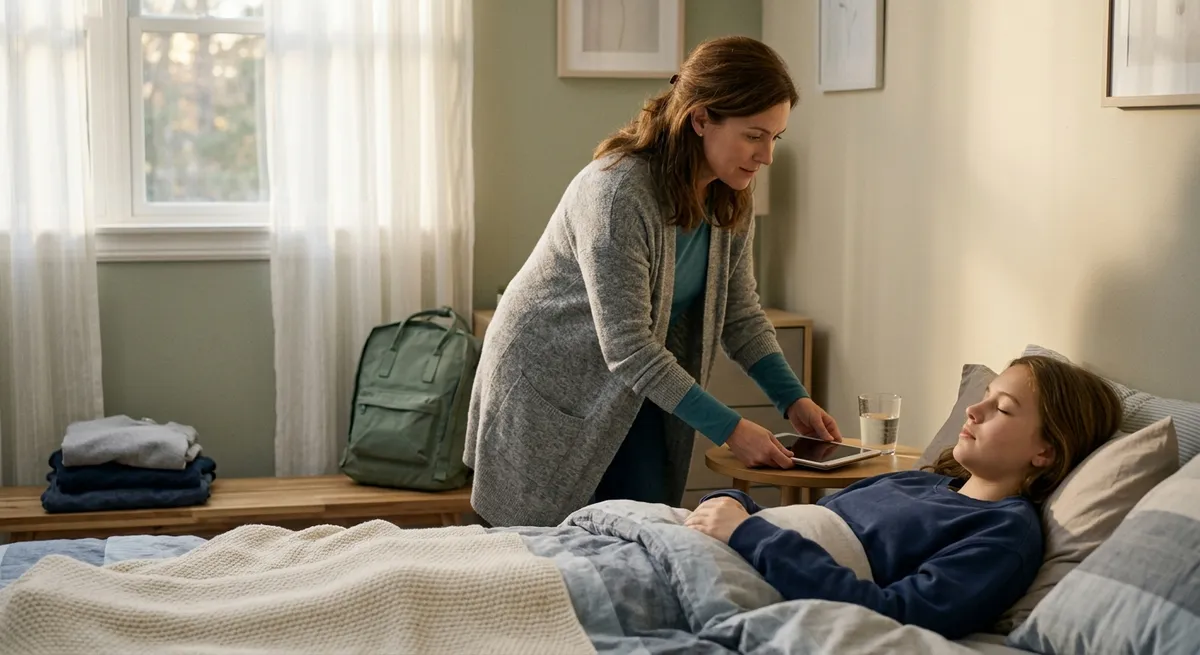
- Limit screen time at least an hour before bed to help them fall asleep more easily.
3. Teens (14-17 years)
Should aim for 8-10 hours of sleep.
- Discuss the importance of sticking to regular sleep patterns, even on weekends, to prevent sleep debt.
Wrap-Up
As you prepare for the back-to-school season, remember that ensuring your child's health is just as important as purchasing school supplies. Implement these practical steps to create a back-to-school health checklist that supports your child's well-being throughout the school year. You'll help your child not only thrive academically but also develop healthier habits that can last a lifetime.