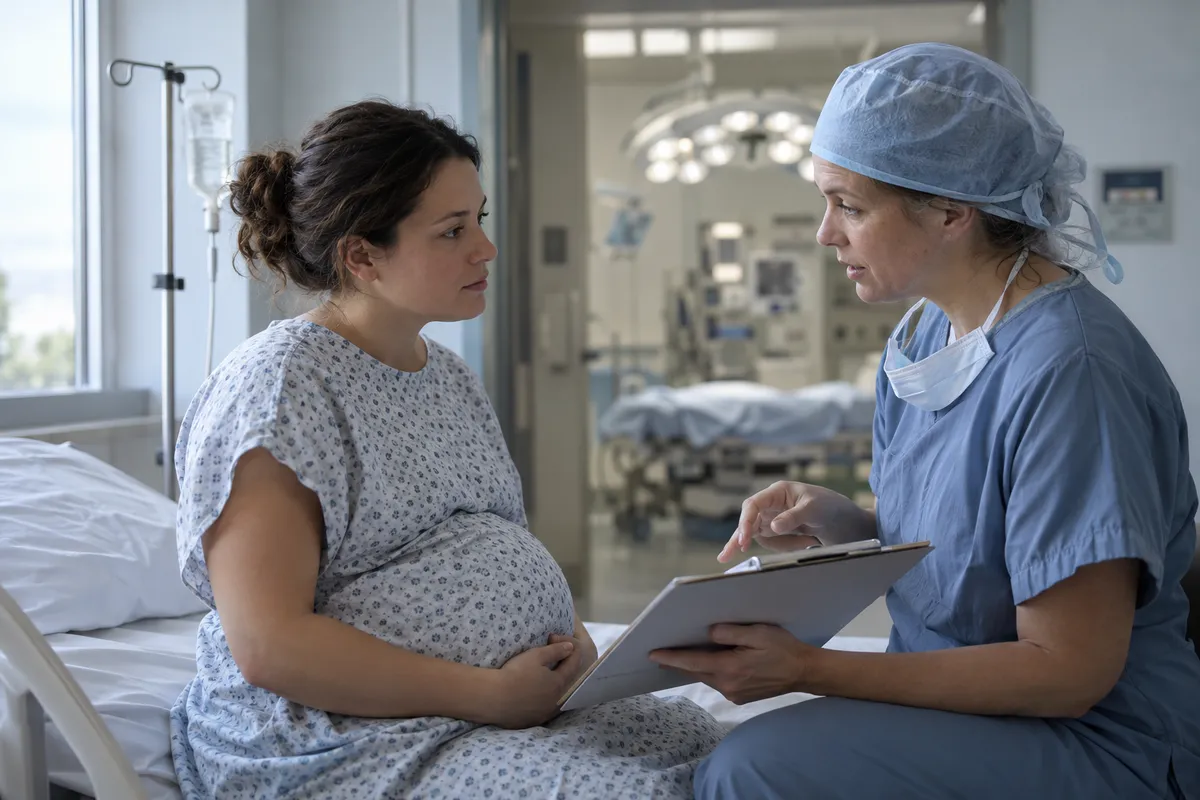

If you're a first-time mom facing an induction, you may have wondered whether some extra medication could improve your odds of a vaginal birth without forceps or vacuum. A large randomized trial from Norway, published in the BMJ and reported by Medical Xpress, tested two such drugs. The result: no clear evidence that either one helps. By the end of this article, you'll know what was tested, what the finding does and doesn't mean, and what to ask your care team.
What the trial found
Researchers looked at whether hyoscine butylbromide or sodium bicarbonate increased spontaneous vaginal birth rates in first-time mothers after labor induction. "Spontaneous" here means birth without the assistance of forceps or vacuum.
Per the report, there was no clear evidence that either drug improved those rates. The study concluded the drugs should not be used routinely for this purpose. The authors also noted that small benefits can't be fully ruled out, so this is "no clear benefit," not "proven useless."
Why first-time moms are the focus
Induction is common, and per the report, first-time mothers face higher odds of an instrumental or cesarean delivery. That makes any intervention that might nudge the odds toward spontaneous vaginal birth very appealing to both patients and clinicians. It also explains why this question was worth testing in a large trial.
The two drugs, explained simply
The report details on mechanism are limited, so here is what the report supports: hyoscine butylbromide and sodium bicarbonate were each tested as add-ons intended to increase the chance of spontaneous vaginal birth after induction. Neither showed a clear advantage. If a clinician ever mentions either one, you can now ask what evidence supports using it for this purpose.
Why big trials matter
This trial challenges smaller earlier studies, per the coverage. That's a common pattern in medicine: a promising result in a small study can shrink or vanish once a much larger group is tested. Small studies are useful for generating ideas, but they're easier to skew by chance.
The practical takeaway for you is to treat early or small-study excitement about a birth intervention with some patience. A large randomized trial is a stronger basis for hospital protocols, and this one may influence them.
How to talk it through with your care team
You don't need to memorize drug names. A few questions work for any induction conversation:
- What is the reason for the induction, and what are my options? Understanding the why helps you weigh timing.
- What are the realistic outcomes for a first-time mom? Ask openly about the chances of spontaneous vaginal birth, assisted delivery, and cesarean.
- Is anything extra being recommended, and what's the evidence for it? This is where a question about newer or add-on medications fits naturally.
- What would change the plan? Knowing the decision points ahead of time makes a long induction feel less like a surprise.
Keep expectations flexible, not fearful
The point of this research isn't to discourage anyone. It's to clear away a possible shortcut that didn't pan out, so attention can stay on care that is supported. For a first-time mom, that means building a birth plan that includes the possibility of assisted delivery or cesarean alongside the hope for a spontaneous vaginal birth. Preparing for all of it doesn't mean expecting the worst.
It can also help to bring your partner or support person into these conversations early. They can hear the same options you do, remember the questions you wanted to ask, and speak up for your preferences when you're in the thick of labor.
The bottom line
Before your induction, ask your provider one clear question: "What is the evidence for anything extra you're recommending?" Good care teams welcome it, and this trial shows why it's worth asking.