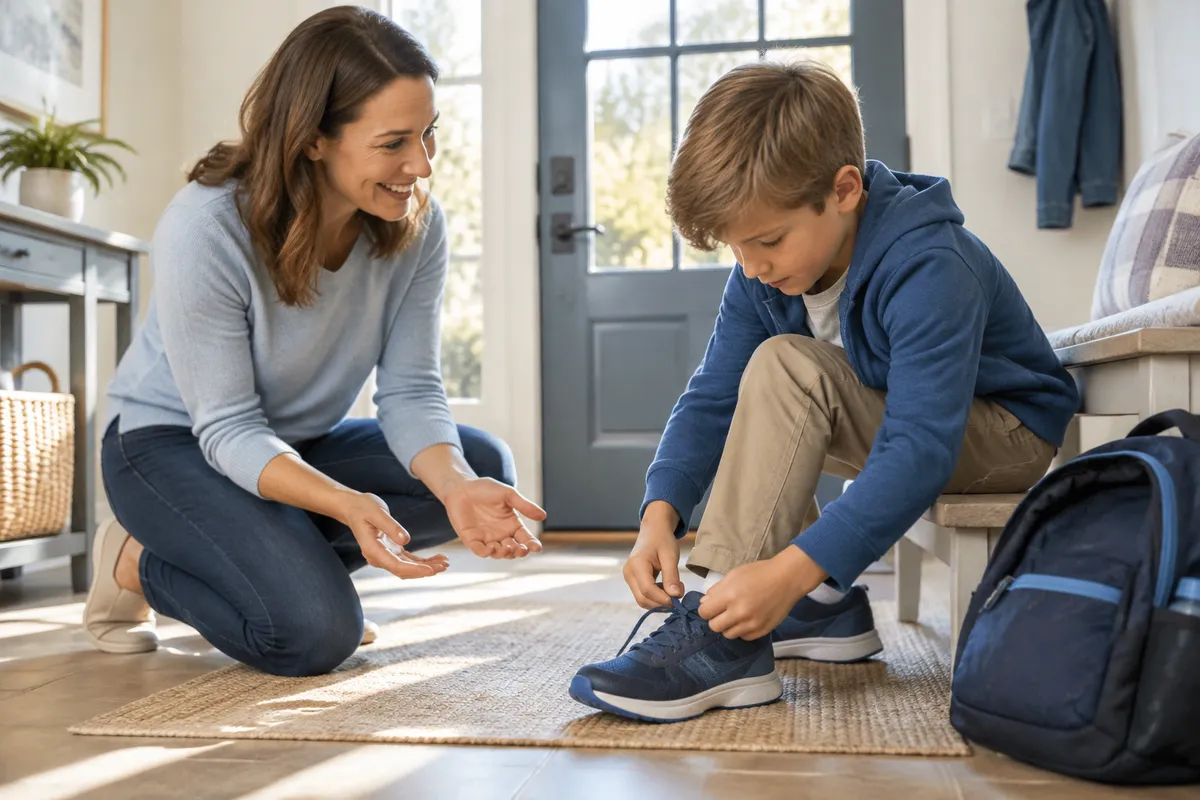

Childhood concussions are more prevalent than many parents realize, often slipping under the radar without proper detection or treatment. Given the significant role that screen time, youth sports, and academic pressures play in our children's lives, understanding how to support them through recovery is crucial. That's where the concept of 'helicopter parenting' comes into play. While often viewed through a critical lens, this involved approach can actually serve as a valuable tool for parents managing their child's healing process after a concussion
The Role of Helicopter Parenting in Recovery
Dr. Teena Shetty argues that temporarily embracing a helicopter parenting style can be highly beneficial during the recovery period from a concussion. This might seem counterintuitive, considering that many associate such an approach with overbearing behaviors. However, the objective here focuses on health and safety, as involved parents can facilitate adherence to treatment routines that are vital in fostering quicker recovery.
Key Areas Where Involvement Matters
1. Sleep Management
One of the most crucial elements in healing from a concussion is ensuring your child gets adequate rest. Sleep is vital for brain recovery and can significantly influence cognitive function. As a parent, you might take on the role of an overseer by setting regular sleep schedules, reducing noisy distractions in the home, and establishing bedtime routines to cultivate a calming environment.
2. Screen Time Control
In our digital age, managing screen time becomes essential, particularly after a concussion. Excessive screen exposure can exacerbate symptoms like headaches and eye strain. A helicopter parent can help by setting strict limits on screen usage and encouraging alternative activities that promote relaxation and engagement without overwhelming the brain.
3. Dietary Vigilance
Nutrition plays a critical role in recovery. Parents can provide healthy meals catering to brain health, focusing on foods rich in omega-3 fatty acids, antioxidants, and hydration. Being actively involved in preparing meals ensures your child receives the nutrients they need while avoiding unhealthy snacks that can stall recovery.
4. Academic Support
Academic pressure can be overwhelming, especially when children are trying to juggle schoolwork while recovering from an injury. Helicopter parenting can help mitigate this stress. Supporting your child by communicating with teachers about their condition and ensuring that academic demands are manageable can create a smoother transition back into the school environment.
Striking a Balance Between Care and Independence
While a hands-on approach can be necessary during the recovery phase, it's important to gradually transition your child back to independence. You can implement this by gradually easing off the controls as your child demonstrates improvements. For example, you might allow them more screen time as symptoms wane or encourage them to prepare meals when they feel capable.
Recognizing When More Supervision is Needed
Ultimately, keeping an eye on your child's recovery journey is integral. Signs that they might need extra oversight include persistent symptoms like headaches, fatigue, or difficulty concentrating, despite following recovery protocols. If your child exhibits such signs, a reevaluation of your support strategy may be necessary.
Conclusion
Incorporating helicopter parenting techniques during your child’s recovery from a concussion is not about stifling independence; rather, it’s about equipping them with the tools and support they need to heal effectively. By carefully managing their sleep, screen time, diet, and academic pressures, you can significantly aid in their recovery process. This temporary involvement can ultimately reinforce their resilience and independence as they bounce back stronger.