
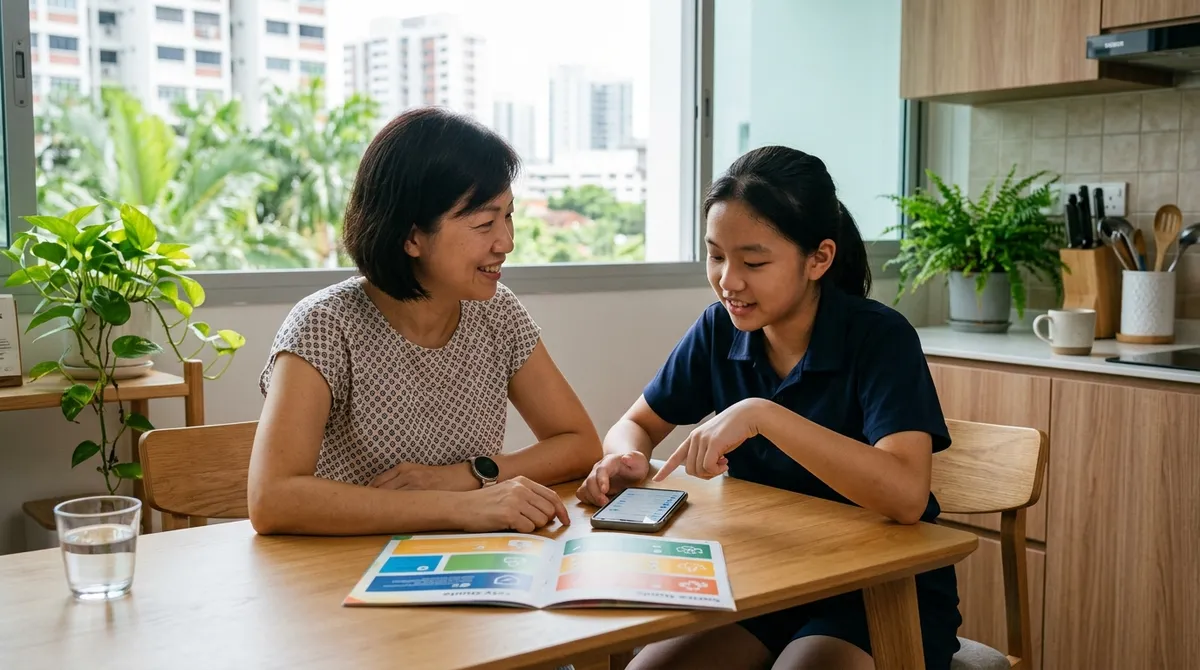
New Guide Focuses on Family Conversations Over Restrictions
TikTok has launched a Singapore-focused Family Digital Check-In Guide designed to help parents and teenagers navigate screen time discussions and establish healthier digital habits together. According to reports, the initiative emphasizes open conversations and shared boundaries rather than relying solely on restrictions.
The guide comes as children's social media use becomes increasingly integrated into everyday family life across Singapore. The launch reflects growing pressure on social media platforms, parents, and governments to make online safety both practical and accessible for families.
Moving Beyond Digital Policing
The new resource aims to help parents transition from "policing screen time" to genuinely understanding what their children do online. According to reports, the guide suggests that open conversations and collaborative boundary-setting prove more effective than restrictions alone when building healthy digital habits.
This approach aligns with Singapore's expanding digital literacy and cyber wellness efforts, which are being developed through public-private partnerships. The initiative represents a shift toward viewing digital safety as a family conversation rather than a set of rules imposed by parents.
Practical Tools for Singapore Families
The Family Digital Check-In Guide reportedly includes conversation prompts designed to make screen time discussions less awkward between parents and teens. The resource also covers TikTok's safety settings that Singapore parents should understand and utilize.
Key components of the guide focus on helping families establish a regular digital check-in routine that can be implemented immediately. This practical approach acknowledges that effective digital wellness requires ongoing dialogue rather than one-time conversations about internet safety.
Addressing Growing Digital Literacy Needs
As social media platforms become central to young people's social interactions, Singapore continues to prioritize digital literacy education. The TikTok guide represents part of broader efforts to equip families with tools for navigating the digital landscape safely.
According to reports, the initiative recognizes that parents need concrete strategies for understanding their children's online activities. Rather than focusing exclusively on limiting access, the guide encourages families to develop shared understanding of appropriate digital behavior.
Building Sustainable Digital Habits
The emphasis on conversation over restriction reflects research suggesting that collaborative approaches to digital wellness tend to be more effective long-term. By providing families with structured ways to discuss screen time and online safety, the guide aims to create sustainable habits that evolve with children's development.
The Singapore launch indicates TikTok's recognition that different regions may require tailored approaches to digital safety education. Local cultural contexts and government initiatives appear to have influenced the guide's development and content.
Implementation for Busy Families
The guide reportedly includes practical elements that busy Singapore families can incorporate into their existing routines. By focusing on achievable check-in practices, the resource aims to make digital wellness conversations a natural part of family life rather than additional burdens on parents' schedules.
This practical focus addresses common barriers that prevent families from having regular conversations about online safety and digital habits. The guide's approach suggests that small, consistent discussions may be more valuable than lengthy, infrequent safety talks.
As Singapore continues developing its digital literacy framework through public-private partnerships, resources like TikTok's Family Digital Check-In Guide represent evolving approaches to keeping children safe online while maintaining the benefits of digital connectivity for families.