
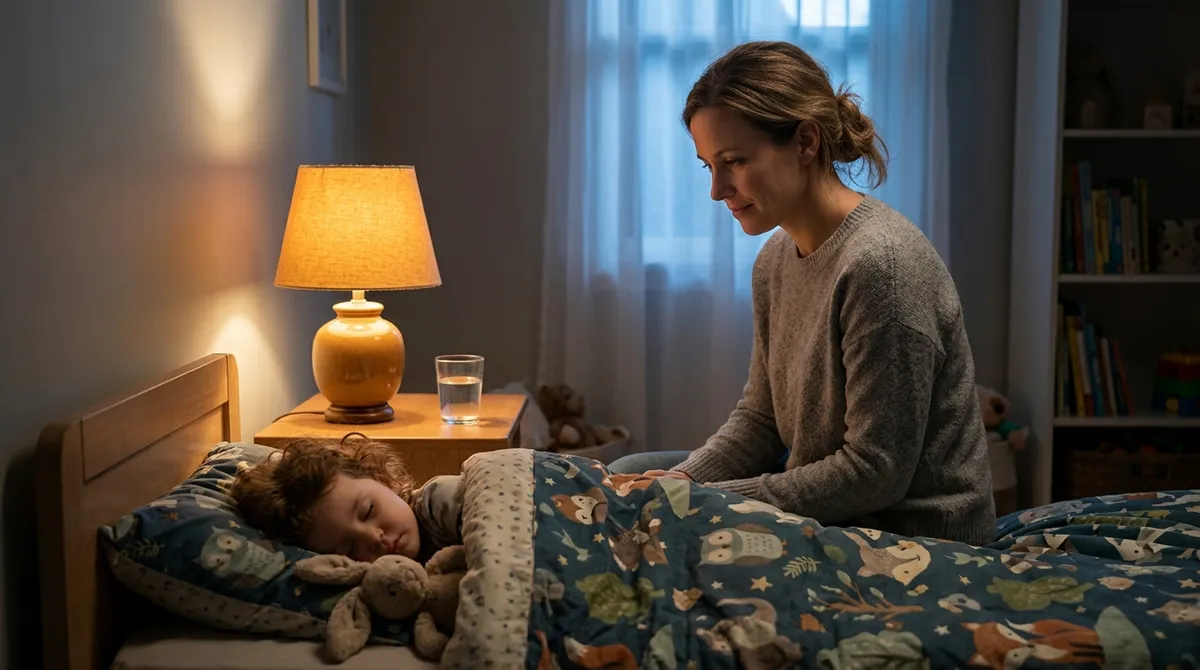
As a parent, hearing strange sounds coming from your toddler's room can be alarming, especially if it's the distinctive sound of teeth grinding. If your little one is showing signs of bruxism, or sleep teeth grinding, it's important to know what to look for and when to seek help. In this guide, we'll discuss the common signs of toddler bruxism and provide a checklist of behaviors to monitor tonight.
What is Toddler Bruxism?
Toddler bruxism is a condition where a child grinds their teeth during sleep. Though it may sound concerning, occasional teeth grinding is relatively common in young children. In most cases, it doesn't require treatment. However, if the grinding becomes persistent or is accompanied by other symptoms, it may warrant further investigation.
Signs of Teeth Grinding to Watch For
Here are some indicators that may suggest your child is experiencing bruxism:
1. Noisy Sleep
If you hear a constant grinding, crunching, or rubbing sound from your toddler's room, it's a primary indication of bruxism. This often occurs during the night, sometimes waking the child or the parents.
2. Worn Teeth
You may notice significant wear on your toddler’s teeth, especially on their molars. Regular dental checkups are important as your pediatric dentist can identify this wear more effectively.
3. Tooth Pain or Sensitivity
If your child complains about tooth pain or shows signs of discomfort (like pulling at their mouth), this may point toward excessive teeth grinding.
4. Snoring or Disrupted Sleep
Bruxism can sometimes coincide with other sleep issues, like snoring or restless sleep. If your toddler struggles to settle down at night, it could connect to their grinding.
5. Stress or Anxiety
Though bruxism is not solely caused by stress, monitoring your child’s emotional health is essential. Significant changes or stressors in your child’s life might lead to increased grinding.
Behavior Cues to Track Tonight
When trying to determine if your toddler's teeth grinding is cause for concern, keep an eye on additional cues:
Sleep Patterns
Note how often your child grinds their teeth and for how long. Does it happen every night or only occasionally? Keeping a sleep journal can help you trace patterns over time.
Morning Reactions
Observe your toddler when they wake up. Do they seem groggy or unusually irritable? If so, this might indicate disrupted sleep due to grinding.
Breathing Issues
Monitor if your child exhibits any irregular breathing patterns at night. Chewing noises accompanied by snoring may mean they are also facing airway-related issues that require attention.
When to See a Doctor or Dentist
If your observations reveal persistent teeth grinding or any of the following red flags, it's time to consult a healthcare professional:
- Noticeable tooth wear or pain
- Complaints of headaches
- Disrupted sleep or chronic fatigue
- Behavioral changes or increased irritability
A pediatric dentist can evaluate your child's dental health and discuss any necessary interventions, such as behavioral strategies or, in rare cases, the need for a mouthguard.
Conclusion
While toddler teeth grinding can be a common occurrence, it’s helpful to stay informed and keep track of signs to ensure your child isn’t experiencing additional issues. Monitoring their behavior will equip you with crucial details to discuss with a healthcare professional if needed. Remember, addressing concerns early can be beneficial for their dental health and overall well-being.