Encouraging your child's language development is a crucial aspect of early childhood nurturing. As parents, we often wonder how best to support children in acquiring language skills. Through simple yet effective strategies, you can create a rich linguistic environment that fosters growth and learning.
Understanding the Basics of Language Development
Language development is a complex process that begins at birth and continues into early childhood. It involves understanding spoken words, using language to communicate, and gradually expanding vocabulary. Children typically follow a predictable pattern as they learn to speak, starting with babbling and moving towards forming complete sentences.
The Importance of Interaction
Interactive communication plays a vital role in developing language skills. Engaging with your child through conversations, reading, and storytelling encourages them to practice listening and speaking. These interactions are not just about speaking; they are about listening actively and responding appropriately, which helps children understand social cues and context.
Creating a Language-Rich Environment
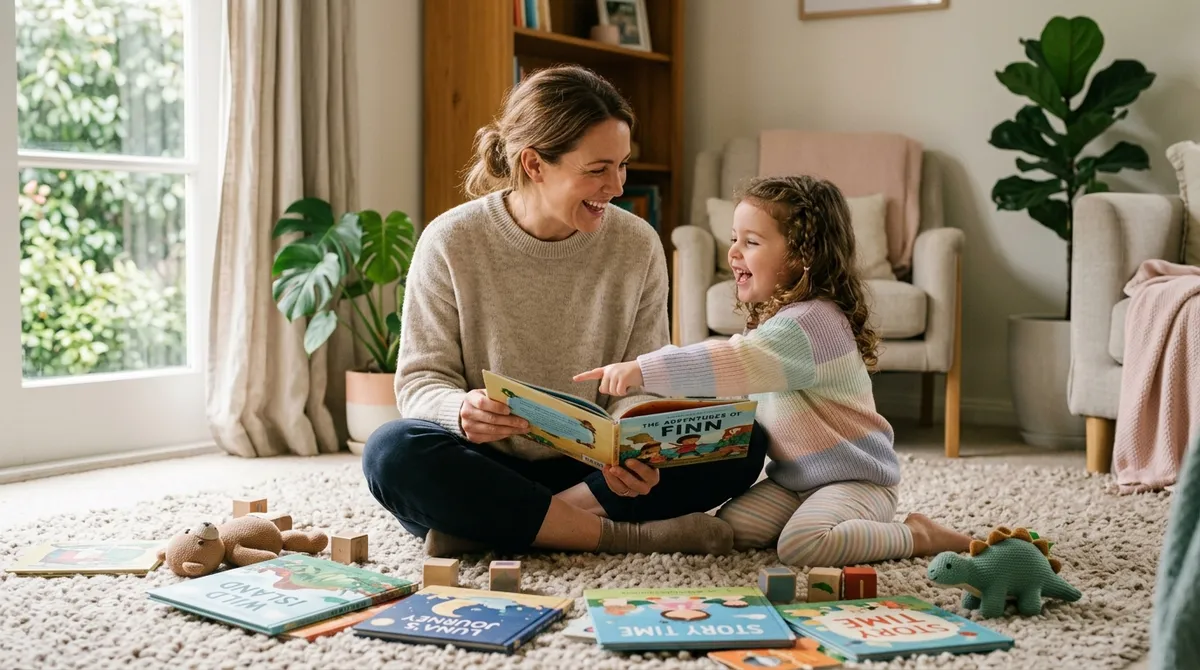
A language-rich environment is one where children are surrounded by spoken words, books, and literacy activities. Reading aloud to your child is one of the most effective ways to enhance their language abilities. Choose a variety of books that introduce new vocabulary and concepts. Encourage your child to describe pictures, predict story outcomes, and discuss characters to deepen their understanding and enjoyment.
Incorporating Language into Daily Routines
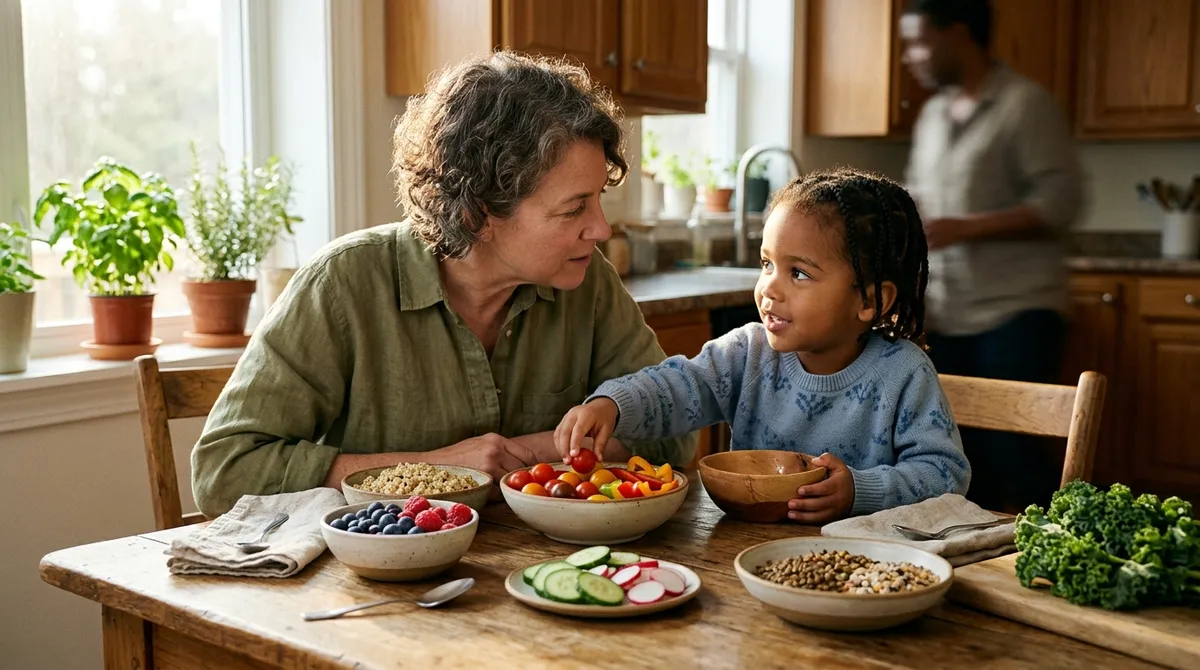
Everyday activities offer numerous opportunities for language development. Narrate your actions and describe objects around you to help your child learn new words and understand their meanings. For instance, while cooking, you can talk about the ingredients and the steps involved in preparing a meal. This not only expands their vocabulary but also teaches them to sequence events.
Using Songs and Rhymes
Incorporating songs and rhymes into your daily routine can significantly benefit your child's language skills. Singing promotes phonemic awareness by helping children recognize sounds and rhythms in language. It also provides a fun way to learn new words and sentence structures. Encourage your child to join in and create their own songs to boost creativity and language use.
The Role of Play in Language Learning
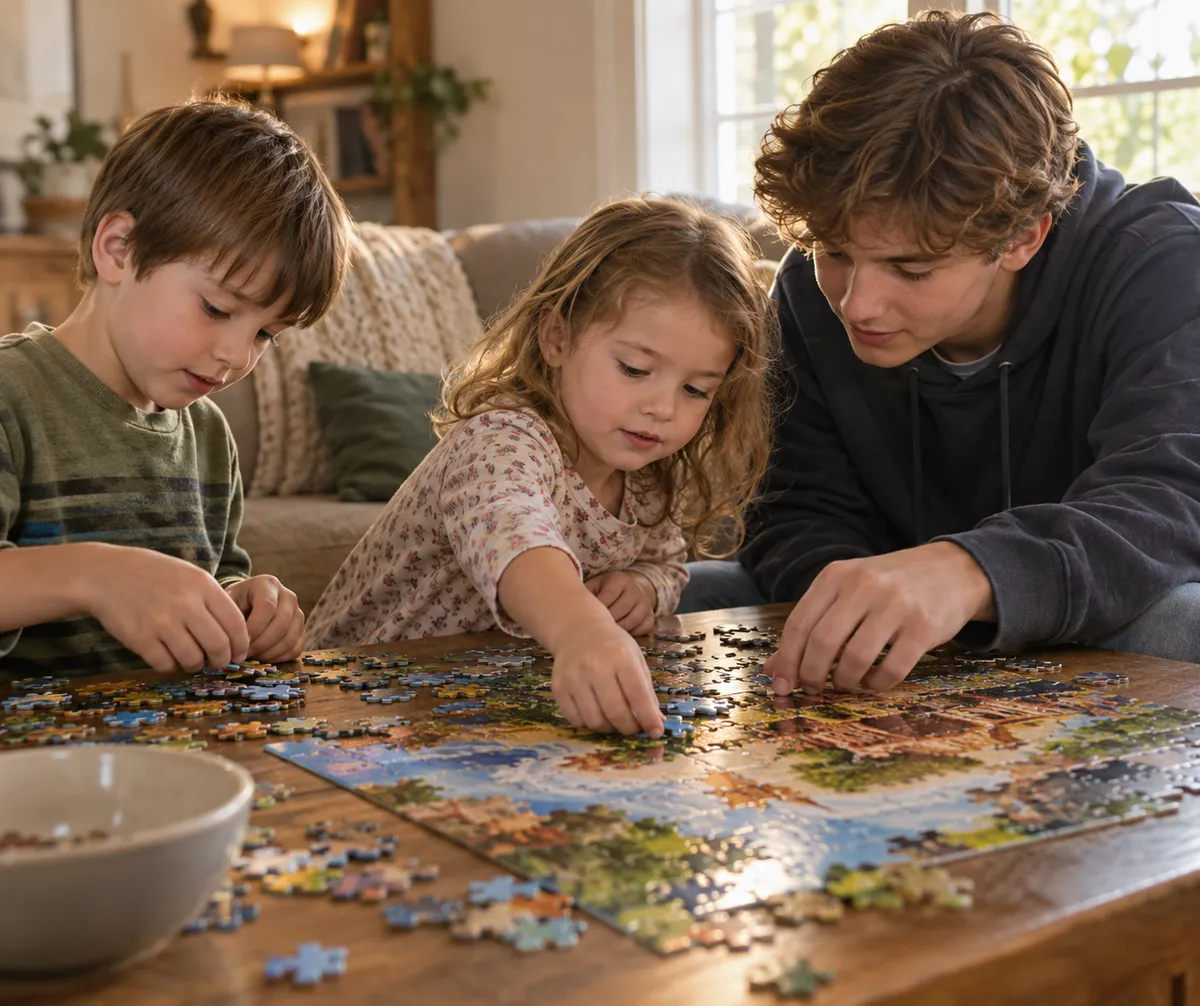
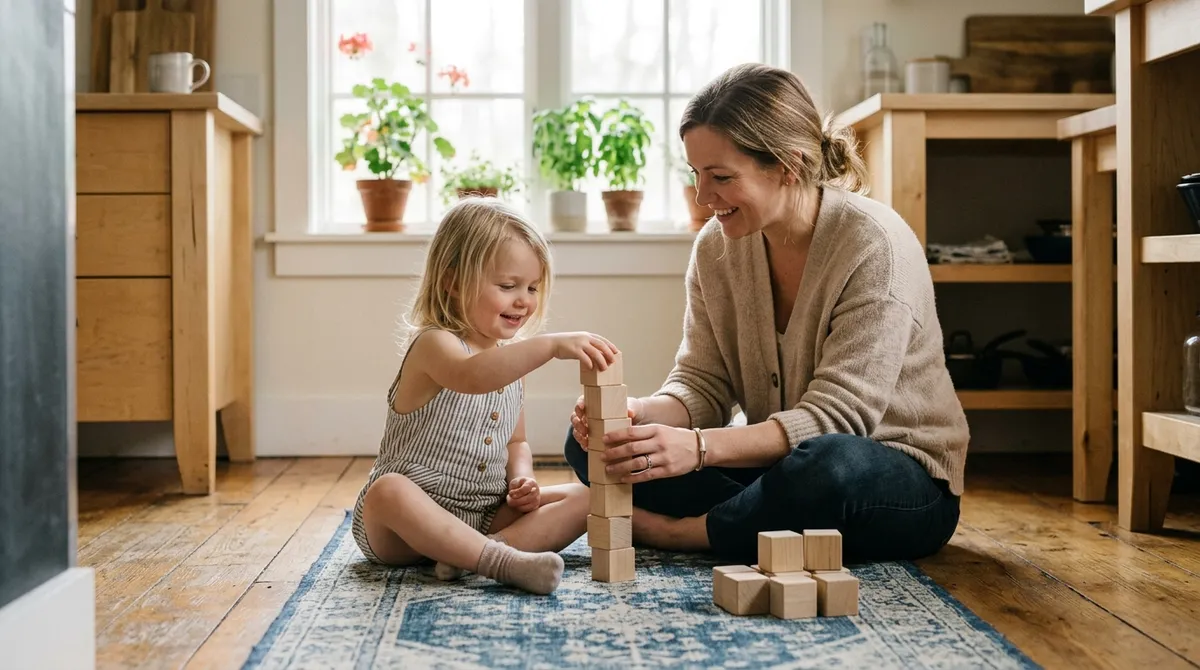
Play is a natural way for children to learn about their world, and it is closely linked to language development. Through play, children experiment with words, express thoughts, and engage in imaginative scenarios. Provide opportunities for role-playing games where your child can take on different characters, facilitating the use of diverse vocabulary and sentence structures.
Encouraging Questions and Curiosity
Children are naturally curious and full of questions. Encourage this curiosity by answering their questions and asking them open-ended questions in return. This practice not only satisfies their curiosity but also teaches them to think critically and articulate their thoughts clearly. It is an excellent way to introduce new words and concepts.
Supporting Your Child's Language Journey
Nurturing your child's language development is a continuous and rewarding journey. By integrating language into everyday interactions, creating a rich linguistic environment, and encouraging creativity through play and music, you lay a strong foundation for their future communication skills. Remember, patience and consistency are key, as every child develops at their own pace. Celebrate small milestones and keep the learning experience enjoyable.