
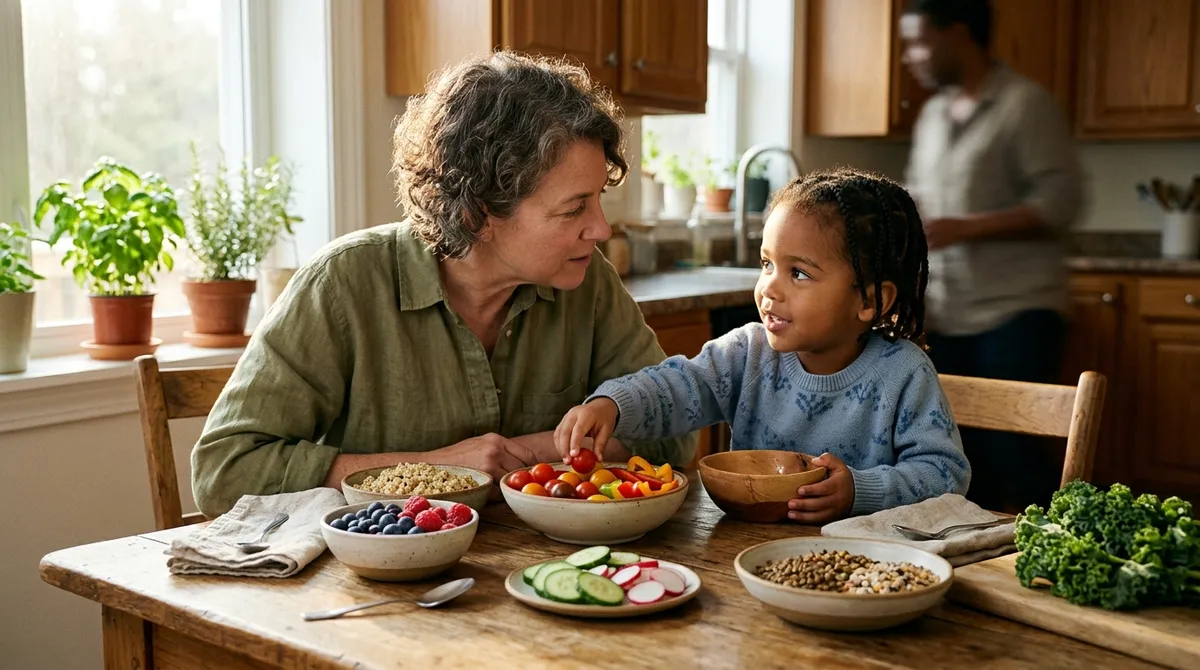
Talking with children about food can shape how they eat, how they feel about their bodies, and how they make choices for years to come. The goal is not to create perfect eaters. It is to build confidence, curiosity, and a healthy relationship with meals, snacks, hunger, fullness, and enjoyment.
Why food conversations matter in childhood
Children learn about food long before they understand nutrition labels or dietary advice. They notice what adults buy, serve, praise, restrict, and worry about. A casual comment at the dinner table can carry more weight than parents realize.
That does not mean every sentence must be carefully scripted. Instead, families can use simple, consistent language that supports balanced eating. Kids benefit when food is discussed without shame, fear, or pressure. They also learn best when adults model the habits they hope to encourage.
Healthy eating habits for kids develop through repeated exposure and positive routines. A child may need to see, smell, touch, or taste a food many times before accepting it. Patience matters. So does keeping meals calm and predictable.
1. Describe food without calling it good or bad
Many adults grew up hearing foods described as healthy, unhealthy, junk, clean, bad, or guilty pleasures. These labels may seem harmless, but children can translate them into moral judgments. If a food is bad, they may think they are bad for wanting it.
A more helpful approach is to use neutral, descriptive language. Talk about colors, textures, flavors, and how foods support the body. For example, carrots may help with eyesight and crunch loudly. Yogurt can be creamy and provide protein and calcium. Pasta can give energy for play, sports, and learning.
This does not mean all foods are nutritionally equal. It means parents can teach nutrition without shame. Some foods help bodies grow, heal, and stay energized. Other foods are mainly eaten for fun, tradition, or celebration. Both can fit within a balanced pattern.
When kids understand that food has different roles, they are less likely to feel anxious around sweets or snack foods. They can learn that cupcakes belong at birthdays, apples belong in lunchboxes, and neither needs to cause guilt.
2. Focus on what bodies can do, not how bodies look
Children absorb messages about bodies from home, school, media, sports, and social platforms. Because of this, food conversations should avoid weight-focused comments. Even well-meant remarks about dieting, size, or appearance can increase body dissatisfaction.
Instead, connect food to strength, focus, growth, mood, and energy. You might explain that breakfast helps the brain concentrate at school. A balanced snack can help a child feel steady before practice. Water helps the body stay cool and comfortable.
This shift teaches children to value body function. It also supports body respect at every size. Kids do not need to fear weight gain to make nourishing choices. They need practical information, supportive routines, and adults who speak kindly about their own bodies.
Parents can also watch how they talk about themselves. Saying negative things about your body can influence a child, even when the comment is not directed at them. Try replacing criticism with neutral statements. For example, mention that your body feels tired, strong, hungry, or ready for movement.
3. Let children listen to hunger and fullness cues
Many families use rules like finishing everything on the plate before leaving the table. Although this may reduce waste in the moment, it can teach children to ignore internal signals. Over time, they may eat past fullness or struggle to recognize hunger.
Children are born with the ability to respond to appetite cues. Adults can protect that skill by offering regular meals and snacks, then allowing kids to decide how much to eat from the foods provided. This is often called division of responsibility in feeding.
The parent or caregiver chooses what is served, when food is offered, and where meals happen. The child chooses whether to eat and how much. This structure gives children boundaries while respecting their bodies.
If a child says they are full after a few bites, avoid turning dinner into a battle. You can remind them when the next eating opportunity will be. You can also keep the tone calm. Pressure often backfires and may make children more resistant to certain foods.
At the same time, hunger cues should not become a reason for constant grazing. A predictable meal and snack schedule helps children arrive at the table ready to eat. It also reduces power struggles over snacks between meals.
4. Avoid using food as a reward or punishment
Food rewards are common. A child may receive candy for good behavior, dessert for eating vegetables, or a treat after a hard day. While these strategies may work quickly, they can create unhelpful associations.
When dessert becomes a prize for eating broccoli, broccoli may seem like the unpleasant task. Dessert becomes more exciting and powerful. This can make children value sweets more than necessary and view nourishing foods as chores.
Try offering dessert without making it conditional. If dessert is part of the meal plan, serve it in an age-appropriate portion. Some families even place a small sweet item with dinner to reduce the sense of scarcity. This can help children learn that dessert is enjoyable but not forbidden.
Similarly, avoid taking food away as punishment. Withholding meals, snacks, or favorite foods can increase anxiety and preoccupation. Discipline should not be tied to hunger. Use non-food rewards when needed, such as extra reading time, a game, stickers, music, or choosing a family activity.
5. Involve kids in food choices and preparation
Children are more willing to try foods when they participate in the process. Grocery shopping, gardening, washing produce, stirring batter, setting the table, and packing lunch all build familiarity. These small tasks also teach life skills.
Offer limited choices to prevent overwhelm. Ask whether they want cucumbers or bell peppers with lunch. Let them choose between two fruits for snack. Invite them to pick one new vegetable at the store. The parent still guides the overall meal, but the child gets meaningful input.
Cooking together can also reduce picky eating. A child who helps tear lettuce or sprinkle cheese may feel proud enough to taste the finished dish. They may not love it right away. That is okay. Exposure counts, even when the first reaction is uncertain.
Keep tasks safe and age appropriate. Toddlers can rinse produce or place napkins on the table. Preschoolers can mash soft foods or stir ingredients. Older children can measure, chop with supervision, read recipes, and help plan simple meals.
How to handle picky eating with less stress
Picky eating is common, especially during toddler and preschool years. Growth slows after infancy, independence increases, and new foods may feel suspicious. This stage can be frustrating, but it is usually manageable with consistency.
Serve at least one familiar food at each meal. This gives children something they can comfortably eat while still seeing other options. Avoid preparing a completely separate meal every time a child refuses dinner. Short-order cooking can make picky eating harder to change.
Use repeated exposure without pressure. A child might start by looking at a new food, then smelling it, touching it, licking it, and eventually tasting it. Celebrate curiosity rather than clean plates. A tiny taste is progress.
Also consider the eating environment. Screens, rushing, arguments, and bribes can make meals stressful. A calmer setting helps kids notice hunger, fullness, taste, and family connection. Family meals do not need to be elaborate. A simple shared dinner still counts.
Building a balanced plate without obsession
Kids do not need complicated nutrition lessons. They need simple patterns they can understand. Teach them that meals often include a protein food, a grain or starchy food, a fruit or vegetable, and a source of fat. Dairy or fortified alternatives may also fit.
Use visual examples instead of strict rules. A taco can include beans, meat, vegetables, cheese, and tortillas. A breakfast bowl can include oats, fruit, nuts, and milk. A sandwich can become more balanced with turkey, hummus, avocado, lettuce, and fruit on the side.
Balance happens over days and weeks, not at every bite. Some meals will be heavier in carbohydrates. Others may include more protein or vegetables. Looking at the overall pattern helps families avoid unnecessary worry.
When to seek extra support
Most food struggles improve with time, structure, and patience. However, some situations deserve professional guidance. Talk with a pediatrician or registered dietitian if your child has rapid weight changes, frequent choking or gagging, extreme food restriction, anxiety around eating, or a very limited list of accepted foods.
Support is also important if meals regularly cause distress for the child or family. Feeding challenges can involve sensory needs, medical issues, allergies, developmental differences, or emotional factors. Getting help early can make mealtimes safer and more comfortable.
Conclusion
Talking to kids about food works best when the message is calm, consistent, and respectful. Avoid shame-based labels, emphasize what bodies can do, trust hunger and fullness cues, skip food rewards, and invite children into everyday food routines. These habits help children grow into eaters who feel capable, flexible, and relaxed around food.