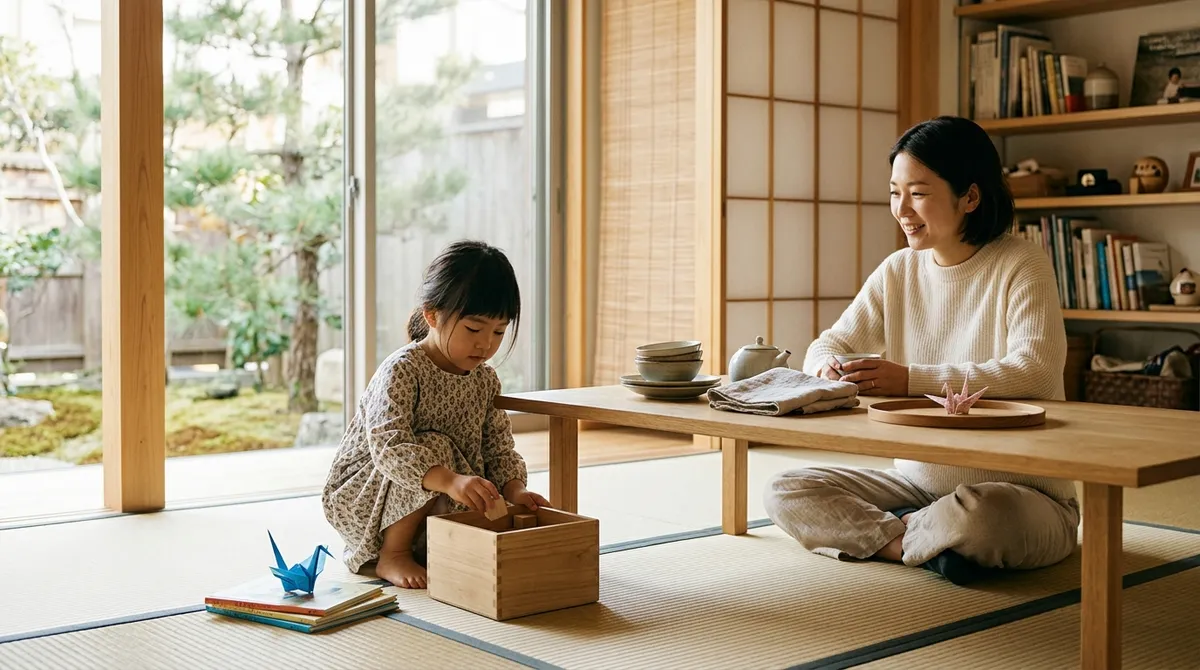
Japanese parenting has attracted global interest because many children in Japan learn independence, social awareness, and self-control from an early age. While no country has a perfect formula, several Japanese family habits offer practical lessons for raising thoughtful, confident, and creative children. These ideas focus less on strict control and more on consistency, empathy, responsibility, and respect for others.
1. Build independence through everyday practice
One of the most admired parts of Japanese parenting is the early focus on independence. Children often learn to manage simple tasks, such as carrying their own bags, preparing school items, or helping with small errands.
This does not mean parents leave children unsupported. Instead, adults create safe chances for children to try. A young child might pour water, put shoes away, or choose clothes for the day. These small responsibilities build confidence over time.
Parents can apply this at home by stepping back before stepping in. If a child struggles with a zipper or snack box, wait a moment. Offer guidance, not immediate rescue. Independence grows when children feel trusted.
2. Teach manners as daily habits, not occasional rules
In Japan, social manners are woven into daily life. Children are encouraged to greet others, say thank you, speak calmly in public, and consider how their actions affect people nearby.
Parents can make manners easier by modeling them consistently. Children notice how adults speak to shop staff, neighbors, teachers, and family members. Politeness feels natural when it is practiced every day.
Simple rituals also help. Saying thank you before and after meals, greeting people at the door, and apologizing sincerely can become family habits. Over time, children understand that good manners show care, not just obedience.
3. Encourage mindfulness in public spaces
Japanese children often learn early that public places are shared spaces. They are taught to keep voices low on trains, avoid blocking paths, and respect other people's comfort.
This lesson is deeply useful for modern families. Children do not become mindful by hearing one lecture. They learn through repeated reminders and clear expectations.
Before entering a restaurant, train, library, or clinic, explain what behavior fits that setting. Use calm words. For example, tell your child that quiet voices help everyone enjoy the space. This approach connects behavior with empathy.
4. Use routines to create security
Japanese family life often values predictable routines. Morning preparation, mealtimes, bathing, study, and bedtime can follow a steady rhythm. These routines help children know what comes next.
Structure is not the same as pressure. A reliable schedule can actually reduce stress. Children feel safer when the day has a familiar pattern.
At home, create simple routines that your child can follow. A visual chart can show brushing teeth, packing a bag, eating breakfast, and putting on shoes. When children understand the sequence, they need fewer reminders.
5. Let children contribute to the household
In many Japanese schools, students clean classrooms and shared spaces. This practice teaches responsibility, teamwork, and respect for the environment. The message is clear: everyone helps maintain the community.
Families can borrow this idea by giving children age-appropriate chores. Young children can wipe tables, sort laundry, water plants, or place napkins. Older children can help prepare meals, sweep floors, or organize school supplies.
Chores should not feel like punishment. Present them as a normal part of belonging to the family. When children contribute, they develop pride and practical life skills.
6. Prioritize balanced meals and food appreciation
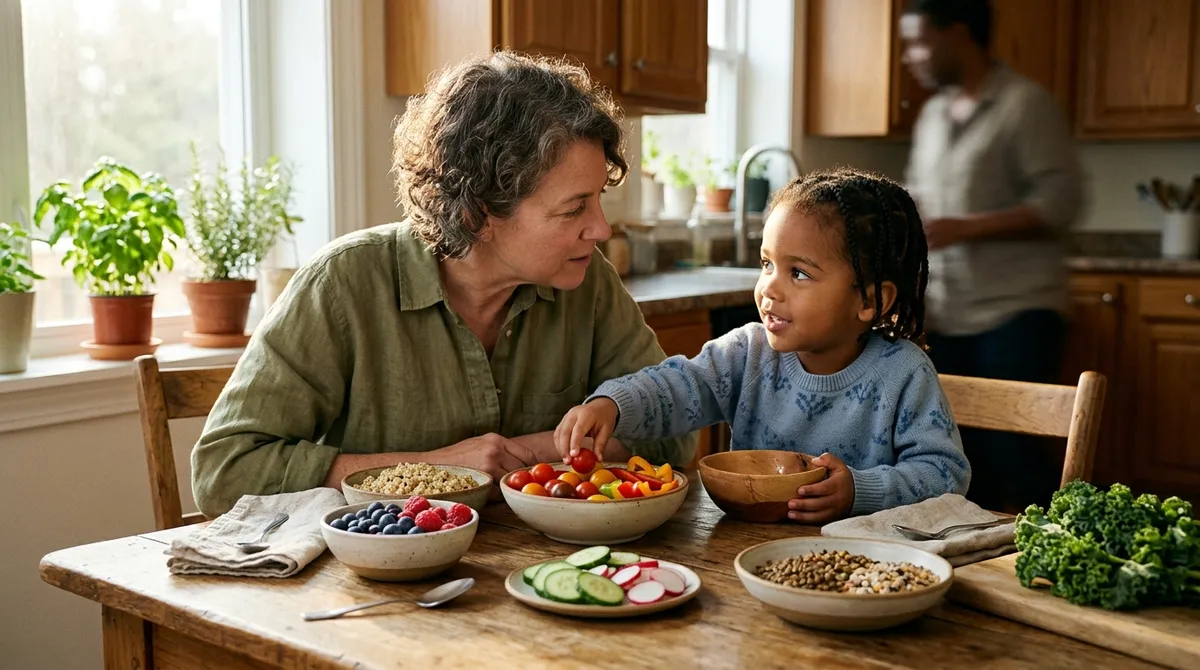
Japanese parenting often includes attention to food variety, presentation, and gratitude. Meals may include small portions of different foods, such as rice, vegetables, fish, soup, or fruit.
The goal is not perfection. It is to help children build a healthy relationship with food. A colorful plate encourages curiosity. Small portions make unfamiliar foods less intimidating.
Parents can also teach appreciation around meals. Invite children to help wash vegetables, arrange lunch boxes, or set the table. When children participate, they become more open to tasting new foods.
7. Support emotional control through calm responses
Japanese parenting often emphasizes emotional awareness and social harmony. Children are guided to notice their feelings while also considering the group around them.
This does not mean children should hide emotions. It means parents help them express feelings safely. A calm adult response can teach more than a harsh reaction.
When a child is upset, name the emotion first. Say that they seem frustrated, tired, or disappointed. Then offer a next step, such as breathing, taking a break, or asking for help. Children learn regulation through repeated coaching.
8. Value creativity through simple play
Creativity does not require expensive toys or constant entertainment. Japanese families often value hands-on experiences, seasonal activities, crafts, drawing, music, and imaginative play.
Simple materials can inspire strong creativity. Paper, fabric scraps, boxes, leaves, clay, and recycled items give children room to invent. Open-ended play builds problem-solving skills and flexible thinking.
Try setting up a small creativity corner at home. Include crayons, paper, tape, building blocks, and safe craft materials. Avoid giving too many instructions. Let your child explore different solutions.
9. Spend time in nature and notice the seasons
Japan has a strong cultural appreciation for seasonal change. Families may enjoy cherry blossoms, autumn leaves, festivals, gardens, and local parks. These experiences help children slow down and observe.
Nature supports mindfulness, curiosity, and emotional balance. Children learn by touching leaves, watching insects, hearing birds, and noticing weather changes.
Parents can bring this idea into everyday life. Take short walks, grow herbs, collect fallen leaves, or watch clouds together. Ask open questions. What changed since yesterday? What colors do they see? Observation strengthens attention.
10. Focus on connection before correction
A close parent-child bond is central to healthy development. Many Japanese families place strong value on closeness in early childhood, including shared routines and attentive caregiving.
Connection makes discipline more effective. Children listen better when they feel understood. Before correcting behavior, get near your child, use a calm voice, and acknowledge what happened.
For example, if siblings argue over a toy, avoid starting with blame. First, help each child explain their feelings. Then guide them toward sharing, taking turns, or finding another activity. This teaches problem-solving, not fear.
How to adapt Japanese parenting ideas to your family
Parents do not need to copy another culture exactly. Every family has different values, schedules, and challenges. The most helpful approach is to choose ideas that fit your home.
Start with one habit. You might create a morning routine, invite your child to help with meals, or practice quieter behavior in public. Keep expectations realistic. Children need repetition and patience.
It is also important to balance independence with safety. Some Japanese children travel short distances alone, but this depends on community design, public safety, and local norms. Parents should always consider their own environment.
The deeper lesson is not about copying specific customs. It is about raising children who feel capable, considerate, and connected. Those qualities can grow anywhere.
Conclusion
Japanese parenting offers valuable ideas for families who want to raise well-behaved, mindful, and creative children. Independence, manners, routine, responsibility, food appreciation, emotional coaching, and nature-based learning all support healthy growth. With steady practice and warm guidance, parents can help children become confident individuals who care about others.