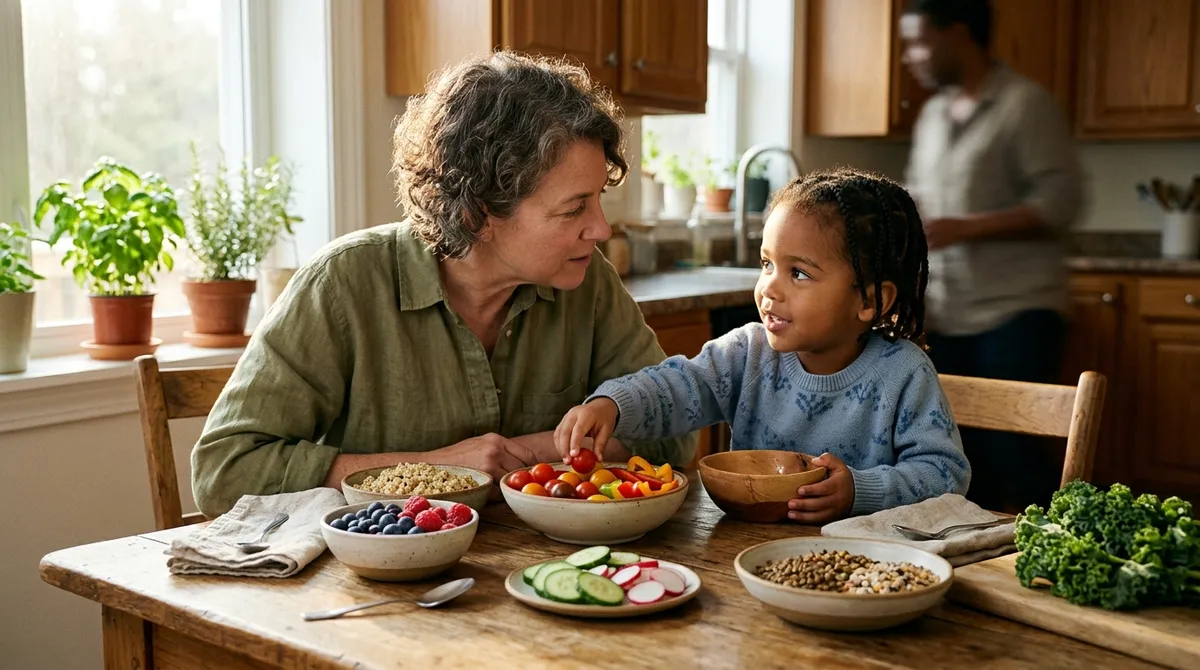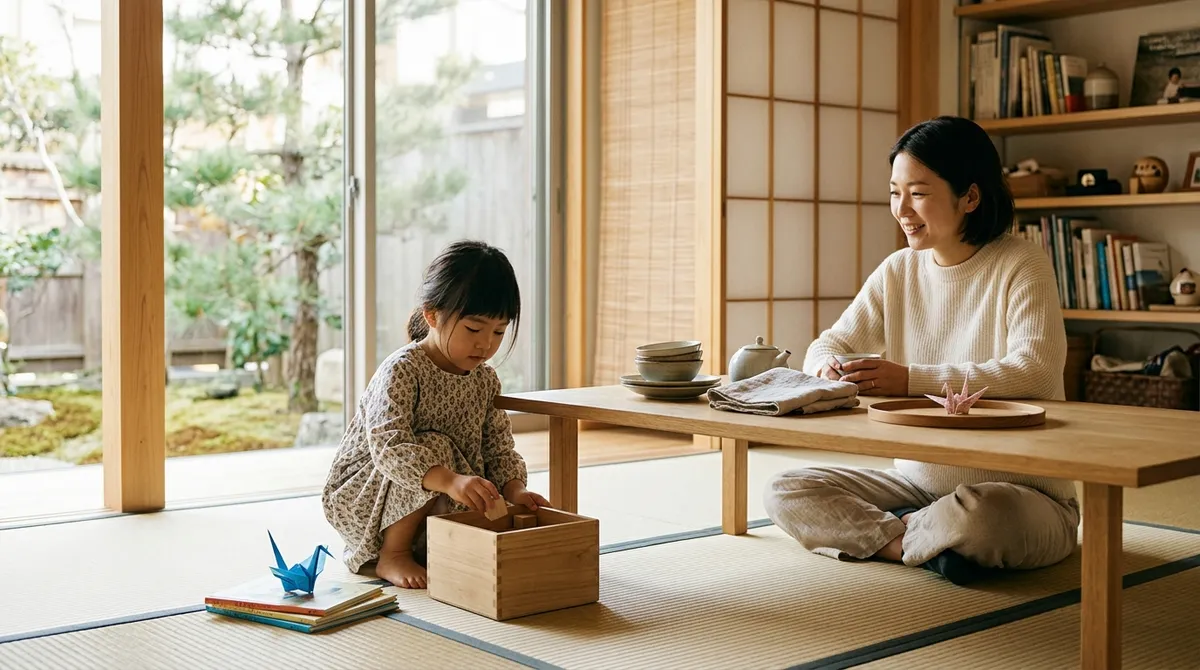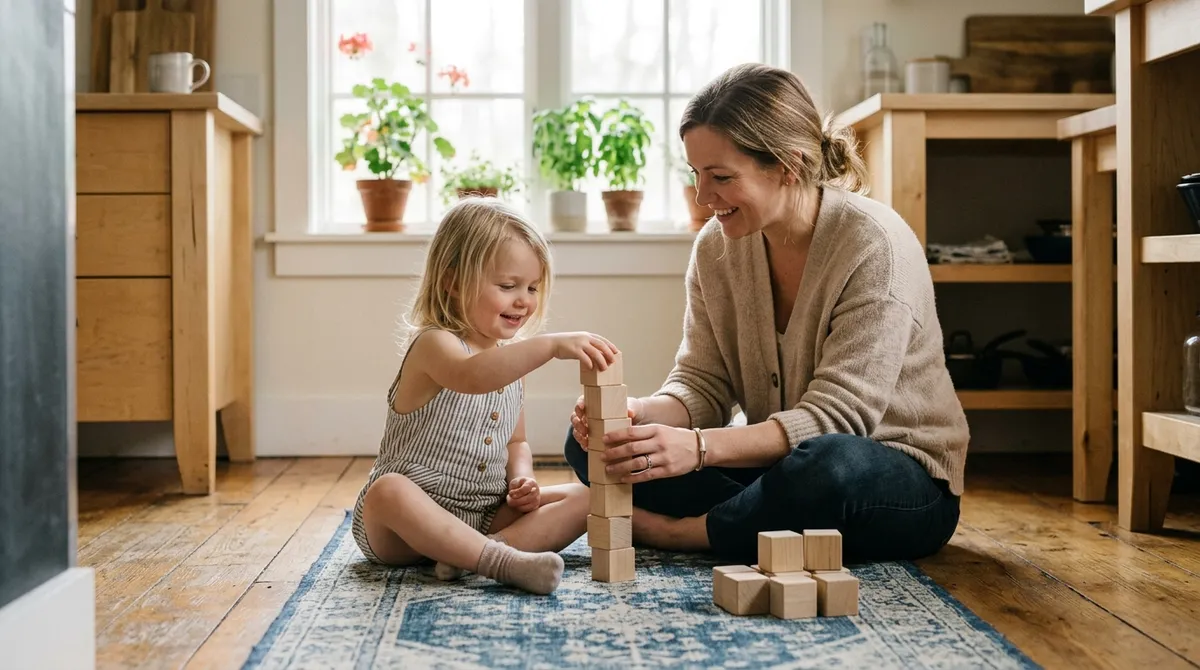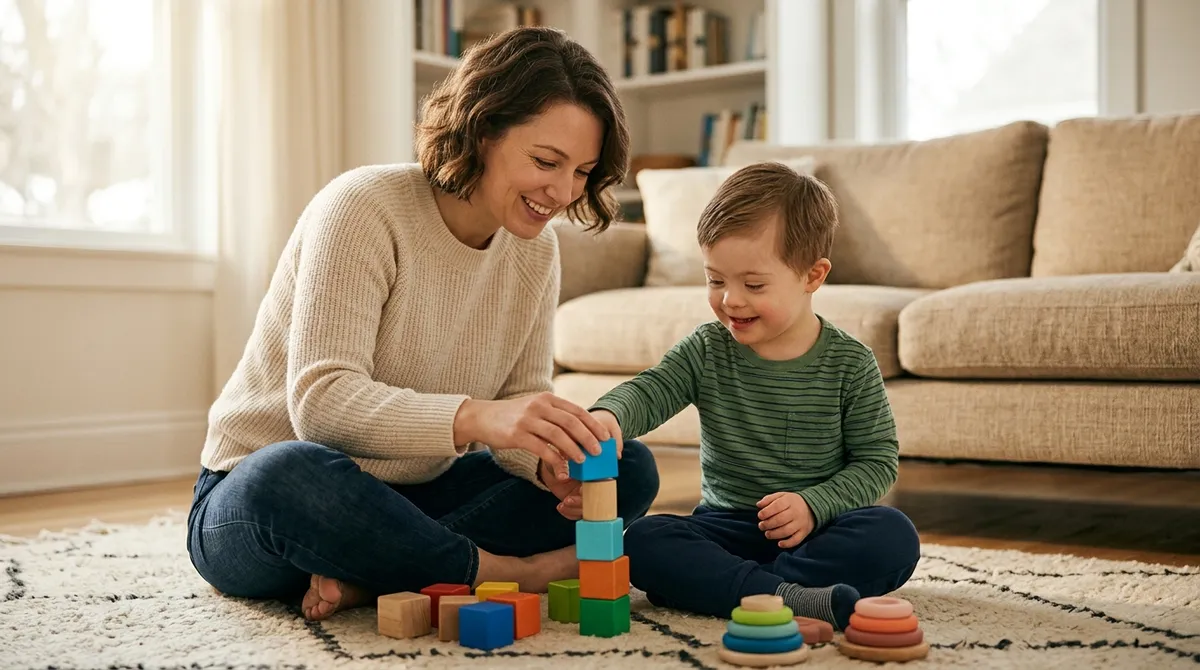
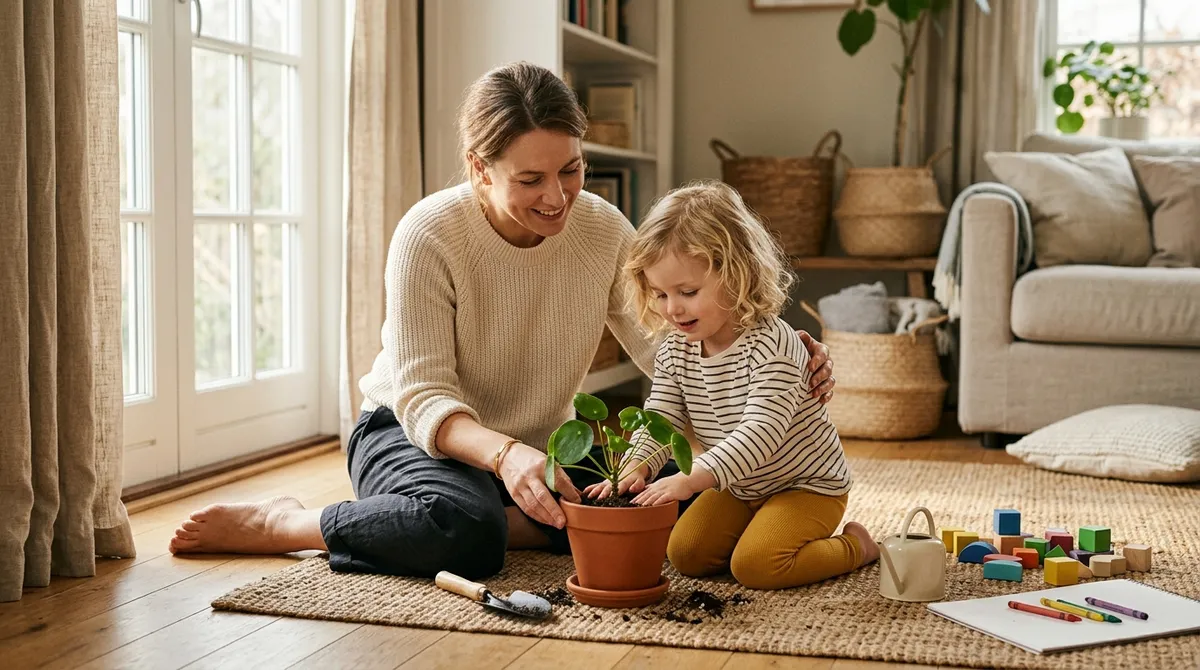
Parenting is one of the most rewarding yet challenging roles in life. It requires patience, understanding, and a commitment to nurture children into successful, well-rounded adults. While each family is unique, certain strategies can significantly impact a child's development, laying a solid foundation for their future.
Building Emotional Intelligence
Emotional intelligence is a crucial skill that helps children navigate social interactions and manage their emotions effectively. Parents can encourage this by teaching children to recognize and label their feelings. This practice not only helps in emotional regulation but also fosters empathy and understanding in interpersonal relationships. Discussing emotions openly at home creates a safe space for children to express themselves, which is vital for emotional growth.
Fostering Independence
Another important aspect of parenting is encouraging independence. Allowing children to make age-appropriate decisions empowers them and builds their confidence. Simple tasks such as choosing their clothes or planning their day can provide a sense of autonomy. This approach also teaches problem-solving skills, as children learn to weigh options and make choices that affect their lives. By gradually increasing the complexity of tasks, parents can prepare children for greater responsibilities.
Encouraging Curiosity and Learning
Children are naturally curious, and nurturing this curiosity leads to a love of learning. Parents can support this by providing a rich environment full of books, educational toys, and interactive activities. Encouraging questions and exploring topics together can deepen their understanding and spark a lifelong interest in learning. Additionally, engaging in activities like visiting museums or participating in science projects can further stimulate intellectual growth.
Establishing Consistent Routines
Consistency in daily routines provides children with a sense of security and stability. A predictable schedule helps them understand what to expect, reducing anxiety and promoting a calm environment. Regular routines for meals, bedtime, and homework not only foster discipline but also teach time management skills. Consistency doesn't mean rigidity; there should be room for flexibility based on circumstances, ensuring that routines serve the family's needs.
The Role of Positive Reinforcement
Positive reinforcement is a powerful tool in shaping behavior. Acknowledging and praising good behavior encourages children to repeat those actions. Specific, sincere praise is more effective than generic compliments. For instance, commending a child for completing their homework on time or sharing toys with a friend reinforces these positive behaviors. Over time, this approach builds self-esteem and motivates children to strive for excellence.
Creating a Nurturing Environment
A nurturing environment is fundamental for a child's overall well-being. It involves creating a physical and emotional space that is supportive and loving. In such environments, children feel valued and understood, which enhances their psychological health. Parents can contribute by being attentive, showing affection, and maintaining open communication channels. This supportive backdrop allows children to explore their individuality while feeling secure.
Balancing Discipline and Freedom
Effective parenting involves balancing discipline with freedom. Setting clear, consistent boundaries is essential for teaching responsibility and respect. However, it is equally important to provide children with the freedom to explore and learn from their experiences. This balance helps them understand the consequences of their actions while developing a sense of accountability. Parents should aim to guide rather than control, allowing children to grow into independent, thoughtful individuals.
Conclusion
Parenting is a dynamic journey that evolves as children grow. By focusing on emotional intelligence, independence, curiosity, and consistent routines, parents can guide their children toward becoming thriving adults. Positive reinforcement, nurturing environments, and a balanced approach to discipline ensure that children develop the skills and confidence needed for future success. Ultimately, the goal is to raise well-rounded individuals who are equipped to navigate the complexities of life with resilience and grace.