When Brand Names Become Playground Currency
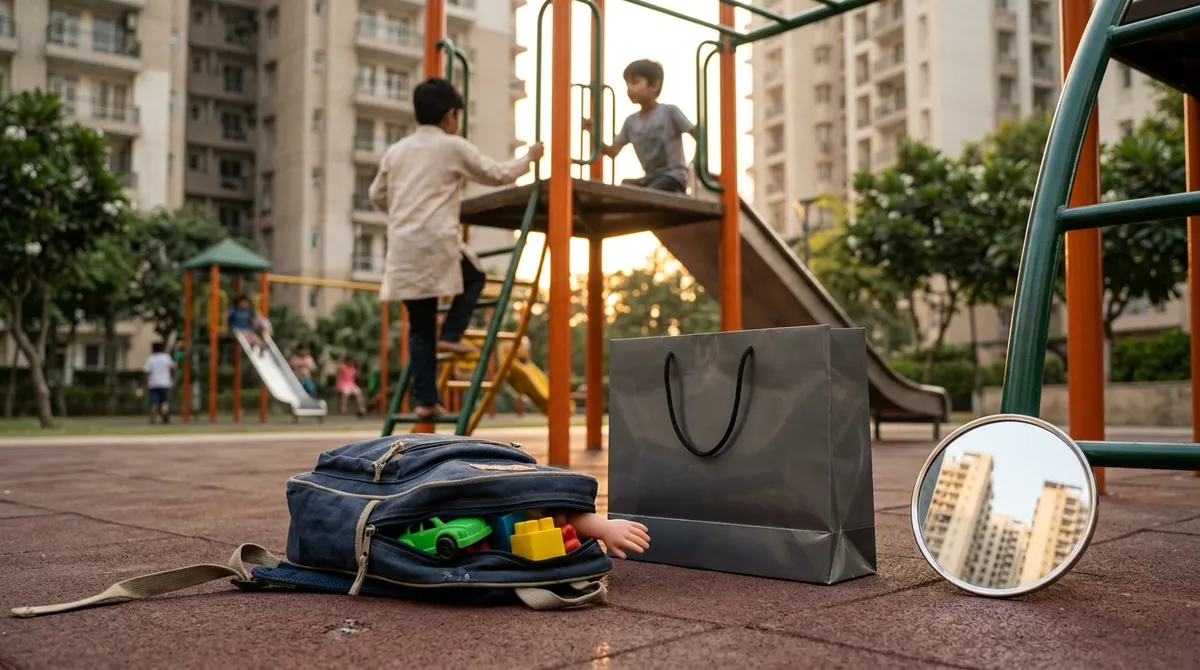
A recent incident at a Gurgaon playground has parents questioning how early status consciousness begins in children. According to reports, a Class 3 student involved in a fight made headlines by bragging about wearing Calvin Klein underwear, turning what should have been a typical childhood disagreement into a moment that reflects deeper concerns about modern parenting.
The resurfaced video of this incident has reignited debate among parents about how children absorb class consciousness, brand obsession, and status-based self-worth from the adults and media around them.
The Real Issue Behind the Headlines
According to reports, the main concern isn't luxury itself, but rather teaching children to measure their value through possessions. As kids grow up surrounded by influencer culture, luxury content, and constant social comparison, parenting conversations are shifting toward examining what children internalize about success and identity.
The playground incident highlights how "brand flexing" is starting at increasingly younger ages, with children using designer labels as weapons in social hierarchies that mirror adult behaviors.
How Influencer Culture Shapes Young Minds
Modern children are growing up in an environment where social media influencers regularly showcase luxury items and lifestyle choices. This constant exposure to branded content and status symbols is shaping how children view themselves and others, according to reports.
What your child chooses to "flex" about often reflects the values and culture within your home. When a child's first instinct during conflict is to mention designer underwear, it raises questions about what messages they're receiving about worth and identity.
The Rise of Playground Status Games
The Gurgaon incident exemplifies how brand consciousness among children is creating new forms of playground dynamics. These status games, where children compete based on possessions rather than character or achievements, reflect broader societal trends that prioritize material wealth over personal qualities.
According to reports, this trend is particularly concerning because it teaches children to derive confidence from external validation rather than internal worth.
Teaching Alternative Values
Experts suggest that the solution lies not in avoiding luxury items entirely, but in teaching children to be proud of kindness, effort, and skills instead of possessions. The key difference, according to reports, is between buying luxury items and raising entitled children who define themselves through material goods.
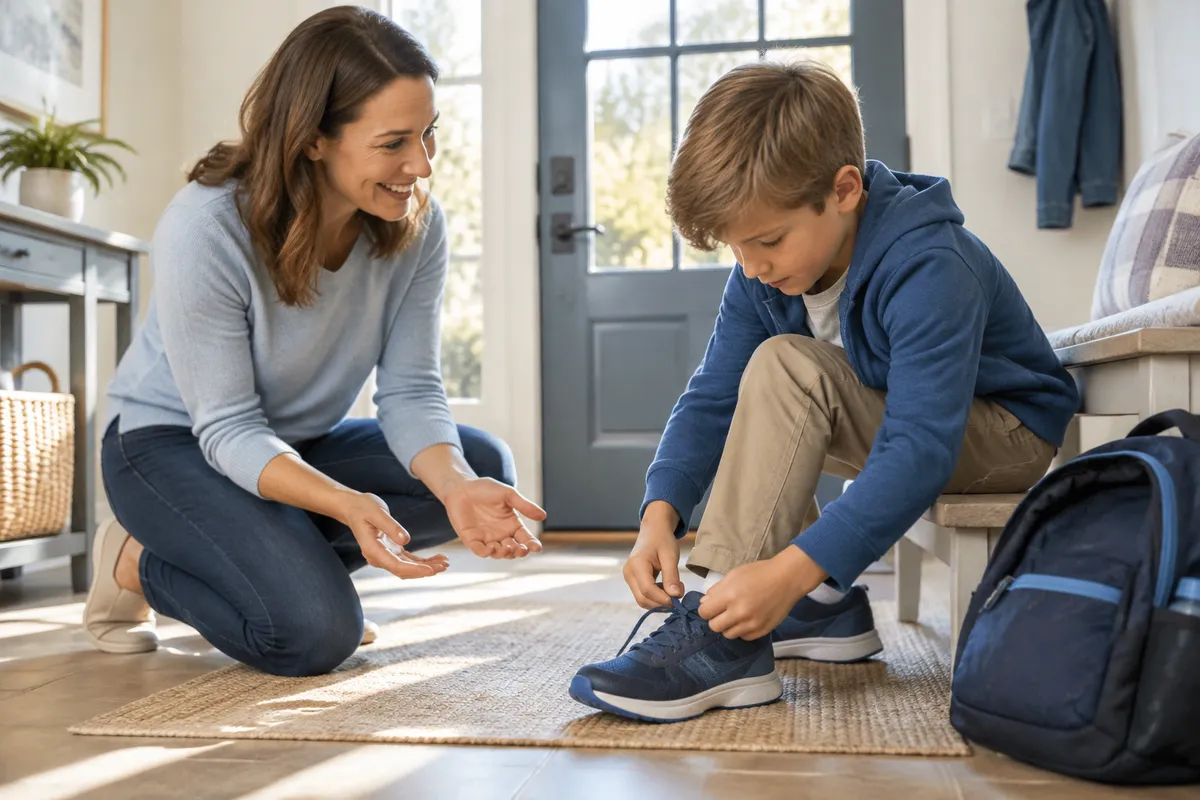
Parents are being encouraged to examine their own relationships with brands and status symbols, as children often mirror the values they observe at home.
Practical Steps for Parents
The incident has prompted discussions about practical approaches to raising confident children without making possessions central to their personality. According to reports, this includes:
- Focusing conversations on achievements, efforts, and character traits rather than material possessions
- Being mindful of how parents themselves discuss brands and luxury items
- Teaching children about the difference between having nice things and defining oneself through them
- Encouraging pride in personal accomplishments and kindness toward others
Moving Forward
As the debate continues, many parents are using this incident as an opportunity to reflect on their own parenting approaches and the messages they're sending about values and self-worth. The goal, according to reports, is not to shame families who can afford luxury items, but to ensure that children develop healthy relationships with material possessions and understand that their worth comes from who they are, not what they wear.
The Gurgaon playground incident serves as a wake-up call for parents navigating the complex landscape of modern childhood, where social media influence and consumer culture intersect with traditional parenting challenges in unprecedented ways.