
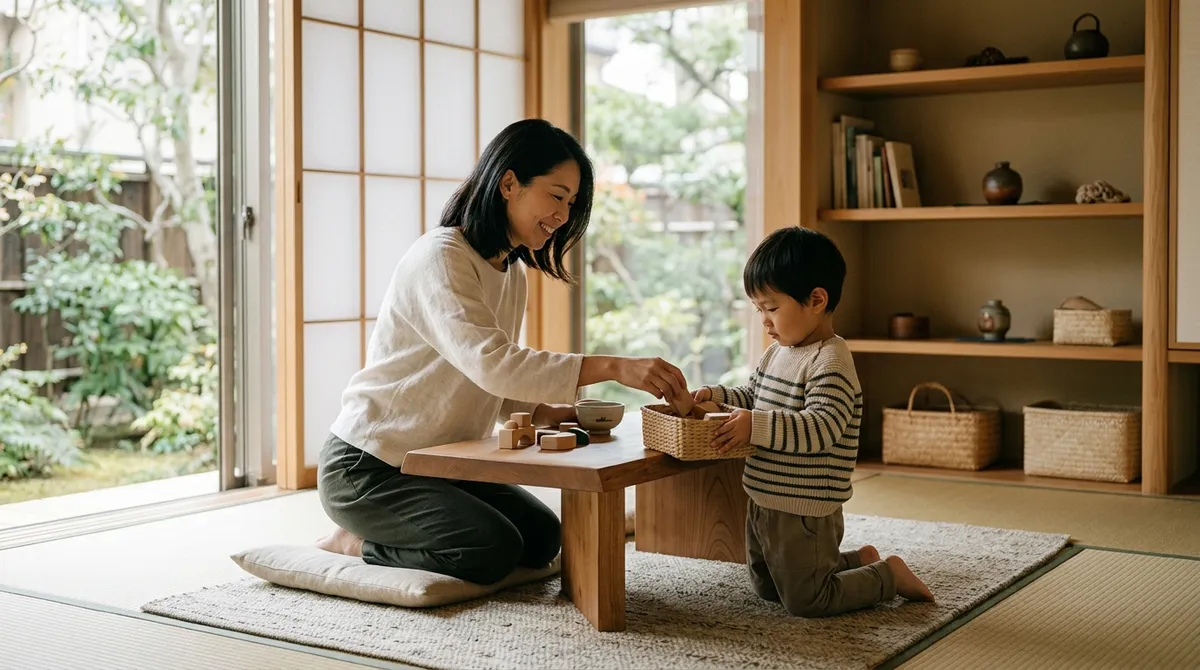
Raising a calm child is not about creating a quiet home at all times. It is about helping children understand strong feelings, recover from setbacks, and feel safe enough to manage everyday pressure. For many parents, the goal is not perfection. It is building a family rhythm where children learn how to pause, communicate, and cope when life feels overwhelming.
Why calm parenting starts with the adult
Children do not develop emotional control in isolation. They learn it through repeated interactions with the adults around them. When a parent stays steady during a difficult moment, the child receives an important message. Big feelings can be handled without panic, shame, or punishment.
This does not mean parents must never feel stressed. Family life is busy, and everyone loses patience sometimes. What matters is the pattern children see most often. A parent who apologises, repairs, and tries again teaches resilience in a very practical way.
Calm parenting is also different from permissive parenting. Boundaries still matter. Children need limits, routines, and guidance. The difference is in how those limits are delivered. A firm voice can still be warm. A consequence can still be respectful. A rule can still come with empathy.
The power of co-regulation
Young children are not born with mature self-control. Their brains are still developing the skills needed to manage anger, fear, disappointment, and excitement. This is why a child may melt down over something that looks small to an adult.
Co-regulation means lending children your calm while they build their own. It may look like lowering your voice, getting down to their level, naming the feeling, or offering a simple choice. These actions help the nervous system settle.
For example, a child who is crying because it is time to leave the park may not need a lecture. They may need a clear boundary and emotional support. A parent could say that leaving is still happening, while also acknowledging the child is upset. Over time, this approach helps children connect feelings with words and actions.
Simple routines help children feel secure
Calm children often grow from predictable environments. Routines reduce the number of decisions a child must process. They also make transitions easier because children know what comes next.
Morning routines, bedtime routines, and after-school routines can all support emotional wellbeing. These do not need to be complicated. A visual checklist, a regular story time, or a consistent winding-down period can make a big difference.
Sleep is especially important. Tired children find it harder to manage frustration and disappointment. Parents can support better sleep by keeping bedtime consistent, reducing screens before bed, and creating a calming evening pattern.
Helping children name their emotions
Children need language for what they feel. Without words, emotions often come out through behaviour. A child may hit, shout, hide, or refuse to cooperate because they cannot explain what is happening inside.
Parents can build emotional vocabulary during ordinary moments. Instead of waiting for a crisis, use daily life as practice. You might talk about feeling nervous before an appointment, proud after finishing a task, or disappointed when plans change.
Books, films, and play can also help. Ask children what a character might be feeling and why. These small conversations build empathy and emotional awareness. They also show children that feelings are normal, not something to fear.
What to do during a tantrum or emotional outburst
During a meltdown, reasoning rarely works. A distressed child is not ready for a long explanation. The first priority is safety and connection. Keep instructions short, reduce stimulation, and stay as composed as possible.
If the child is safe, pause before reacting. Take a breath. Speak less. Use a calm tone. A simple phrase can be more effective than several minutes of talking. Once the child has settled, you can revisit what happened and discuss better choices.
It is also helpful to separate the feeling from the behaviour. Anger is allowed. Hitting is not. Sadness is allowed. Throwing objects is not. This approach teaches children that emotions are acceptable, while actions still have limits.
Teaching practical calming skills
Children benefit from tools they can use when emotions rise. These skills work best when practised during calm moments, not introduced for the first time during distress.
Breathing exercises can be simple. Ask a child to smell an imaginary flower and blow out an imaginary candle. Some children like counting breaths. Others prefer movement, such as stretching, walking, or squeezing a soft toy.
A calm corner can also help. This is not a punishment space. It is a supportive area with comforting items, books, sensory toys, or drawing materials. The aim is to give children somewhere to reset.
Why connection reduces challenging behaviour
Many difficult behaviours increase when children feel disconnected, rushed, or unheard. This does not mean parents must entertain children all day. Often, a short period of focused attention can change the tone of a whole afternoon.
Ten minutes of child-led play can be powerful. Put the phone away, follow the child's ideas, and avoid correcting unless safety requires it. This kind of attention reassures children that they matter.
Connection also makes cooperation easier. Children are more likely to listen when they feel respected. Warmth does not remove boundaries. It makes boundaries easier to accept.
Managing screens and overstimulation
Modern family life brings constant stimulation. Screens, noise, busy schedules, and school demands can all affect a child's mood. Some children become irritable after too much screen time. Others struggle when they move quickly from one activity to another.
Parents can support calm by building in pauses. Quiet time after school, outdoor play, and screen-free meals can help children decompress. Clear screen rules also prevent daily arguments. When limits are predictable, they often feel less personal.
It can also help to watch for patterns. If tantrums often follow certain games, videos, or late nights, the routine may need adjusting. Calm parenting includes looking at the environment, not just the behaviour.
Modelling healthy stress management
Children notice how adults handle pressure. If they see parents taking breaks, using respectful words, and asking for help, they learn those skills are normal. If they see constant shouting or avoidance, they may copy those patterns too.
Parents can narrate healthy coping in simple ways. You might say you are feeling frustrated, so you are taking a few breaths. Or you might explain that you are going for a short walk to clear your head. These moments make emotional regulation visible.
Repair is equally important. If you shout, return to the child when calm. Acknowledge what happened, apologise where needed, and explain what you will try next time. This teaches accountability without undermining parental authority.
When parents may need extra support
Some children experience intense anxiety, frequent aggression, sleep difficulties, or distress that affects daily life. In those cases, parents should not feel they have failed. Extra help can be valuable.
Health visitors, teachers, GPs, school pastoral teams, and child mental health professionals may offer guidance. Parenting courses can also provide practical tools and reassurance. Seeking support early can prevent small struggles from becoming larger ones.
Calm is built through everyday moments
Calm children are not raised through one perfect technique. They develop through thousands of small interactions that teach safety, patience, and emotional understanding. Parents can make a strong start by staying connected, keeping routines predictable, setting kind boundaries, and modelling the behaviour they want to see.
The aim is not to remove every difficult feeling from childhood. The aim is to help children trust that difficult feelings can be managed. With steady support, children can grow into more confident, resilient, and emotionally aware young people.