
Youth Voices Lead Mental Health Research
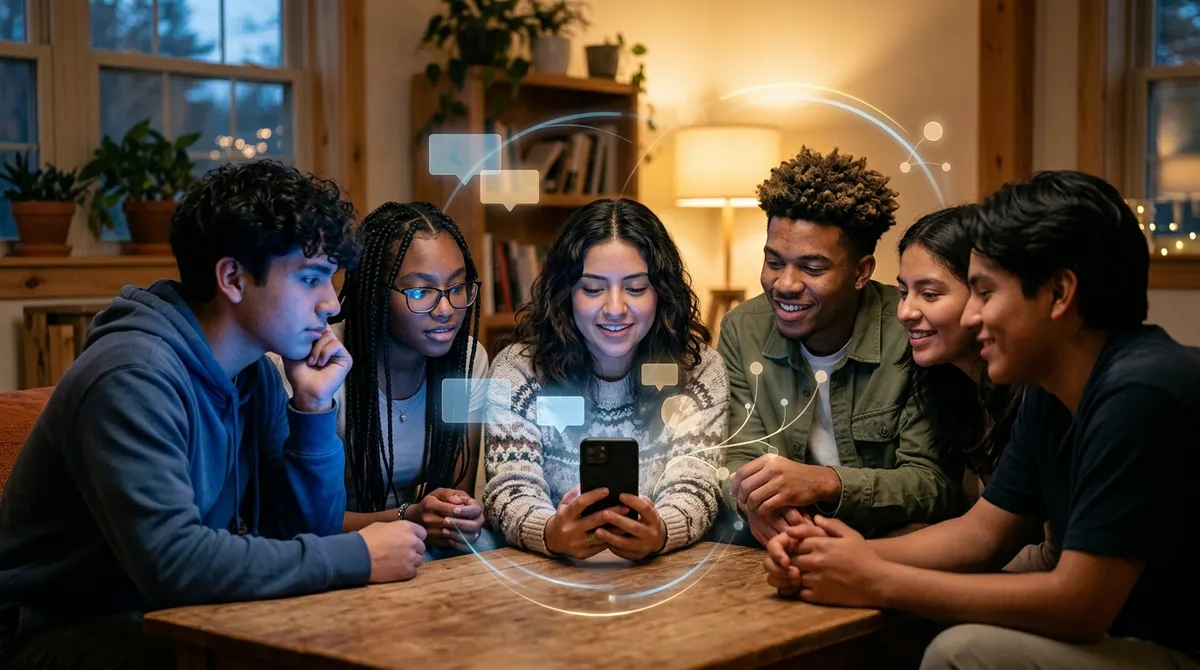
A groundbreaking new book titled "SocialsVoice" is challenging conventional wisdom about social media's impact on teenage mental health by putting young people themselves in the driver's seat of research. According to reports, the publication examines how social media affects the mental health of Latino youth ages 13-24, revealing a nuanced landscape of both harmful content and supportive communities.
What sets this research apart is its participatory approach. Rather than simply surveying young people about their experiences, the study had youth analyze social media clips themselves and co-create the findings. This methodology appears to have uncovered insights that traditional research methods might miss.
The Double-Edged Digital Sword
The book's findings paint a complex picture of social media's role in teen mental health. According to the research, platforms host both stigmatizing content that can harm young people's wellbeing and anti-stigma movements that provide genuine support and education.
This dual nature challenges the often oversimplified "social media is all bad" narrative that dominates many discussions about teen digital wellness. The research suggests that young people are encountering both mental health risks and resources in the same digital spaces where they spend significant portions of their time.
Latino Youth Perspectives Take Center Stage
Particularly significant is the book's focus on Latino youth voices, which according to reports are often underrepresented in mental health research. Mental health discourse on social media is increasingly influential among young people, making it crucial to understand how different communities experience and navigate these digital conversations.
The timing appears especially relevant as policymakers and social media platforms face growing pressure to address mental health harms while also recognizing the legitimate peer support communities that have emerged organically online.
Hidden Anti-Stigma Movement Emerges
One of the key findings highlights what researchers are calling a "hidden anti-stigma movement" happening on social platforms. According to the book, youth-led mental health education and support are occurring organically across social media, creating informal networks of peer assistance and understanding.
This grassroots movement represents young people taking initiative to address mental health stigma and support their peers, often without adult guidance or institutional oversight.
Algorithm Curation as Self-Care Strategy
The research also reveals that young people are actively using algorithm curation as a mental health tool. Rather than passively consuming whatever content appears in their feeds, many teens are strategically curating their social media experience to protect their wellbeing.
This finding suggests that young people are more sophisticated digital consumers than often assumed, developing their own strategies for navigating potentially harmful content while seeking out supportive communities and resources.
Beyond Traditional Research Methods
The participatory research model used for "SocialsVoice" offers insights into why youth-centered approaches may reveal truths that traditional surveys miss. By having young people analyze their own content and experiences, researchers appear to have accessed more authentic perspectives on how social media actually affects teen mental health in practice.
This approach also validates young people as experts on their own experiences, rather than treating them solely as research subjects to be studied by adults.
Implications for Parents and Educators
For parents and educators concerned about teen social media use, the book's findings suggest the need for more nuanced conversations about digital wellness. Rather than focusing solely on time limits or platform restrictions, the research points toward helping young people develop skills for mindful social media consumption.
The concept of "mindfulness behind the screen" emerges as one strategy that young people are already implementing, suggesting that digital wellness education might be more effective when it builds on tactics teens are already using rather than imposing external restrictions.
Looking Forward
As debates about social media regulation and teen mental health continue, "SocialsVoice" contributes important perspectives from the young people most directly affected by these platforms. The research suggests that effective solutions will need to account for both the genuine risks and the authentic benefits that young people find in their digital communities.
By centering Latino youth voices and using participatory research methods, the book offers a model for how mental health research can better reflect the diverse experiences of young people navigating an increasingly digital world.