
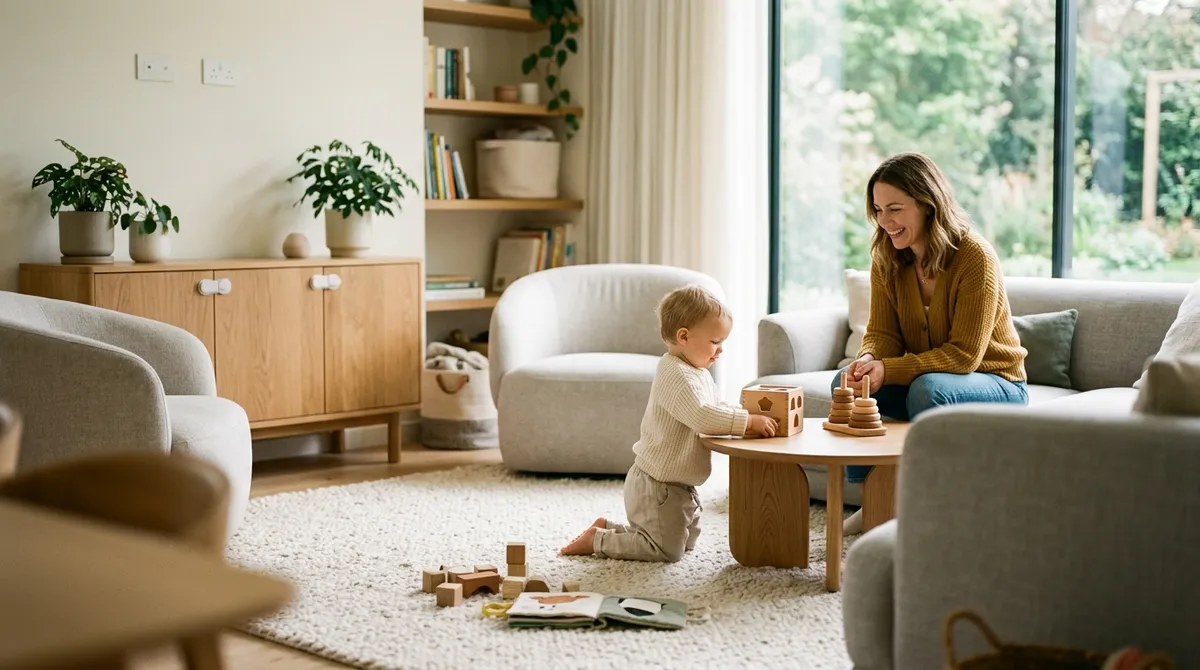
Raising children in a safe environment is a priority for every parent. Ensuring the house is childproofed can be a daunting task, especially for new parents. By focusing on key areas of the home, parents can significantly reduce the risk of accidents and create a secure space for their little ones to explore.
Understanding the Basics of Childproofing
Childproofing involves identifying potential hazards around the home and taking steps to eliminate or mitigate these risks. Common areas of concern include sharp corners, electrical outlets, and small objects that pose choking hazards. By addressing these elements, parents can create a safer environment that encourages their children's natural curiosity without putting them at risk.
Essential Childproofing Tools and Techniques
Parents have access to a variety of tools designed to make their homes safer for children. Outlet covers are a simple yet effective way to prevent electrical shocks, while corner guards can be attached to furniture to protect against bumps and bruises. Cabinet locks are another essential tool, keeping dangerous substances like cleaning supplies and medications out of reach.
For doors, using door knob covers can prevent children from entering unsafe areas, such as bathrooms or storage rooms, unsupervised. Safety gates are also crucial for blocking off stairs or restricting access to certain rooms. These tools, when used properly, can drastically reduce the number of household accidents involving children.
Creating a Safe Play Environment
Designating a specific area in the home for play can help manage risks. This area should be free of small toys that can be swallowed and should have ample padding to soften falls. Regularly checking toys for broken parts and ensuring they are age-appropriate can further enhance safety.
In addition, keeping the play area tidy and organized helps prevent trips and falls. Utilizing storage bins and shelves keeps toys off the floor and within easy reach, encouraging children to tidy up after playtime.
Kitchen and Bathroom Safety
The kitchen and bathroom are two rooms that pose significant safety challenges. In the kitchen, parents should keep sharp objects, hot liquids, and heavy appliances out of reach. Installing stove knob covers can prevent children from accidentally turning on the stove.
In the bathroom, never leave young children unattended in the bathtub. Anti-slip mats can reduce the risk of falls, and toilet locks can prevent drowning hazards. Additionally, setting the water heater to a safe temperature can prevent scalding injuries.
Emergency Preparedness
Despite the best efforts to childproof a home, accidents can still occur. Parents should be prepared for emergencies by keeping a first aid kit readily accessible and learning basic first aid skills, such as CPR. Posting emergency numbers in a visible location ensures quick access during a crisis.
Regularly reviewing and updating the childproofing measures as children grow is crucial, as older children may find new ways to get into trouble. Staying informed about the latest safety products and practices can also help parents maintain a secure environment.
Conclusion
Childproofing is an ongoing process that evolves with your child. By staying vigilant and proactive, parents can create a home that is both safe and nurturing. This environment not only protects their children from harm but also allows them to learn and grow with confidence. With the right tools, knowledge, and preparation, any parent can successfully childproof their home and enjoy peace of mind.