The End of Perfect Parenting Culture
For years, modern parenting has felt like a competitive sport, according to recent reports. Parents were expected to raise emotionally intelligent children while limiting screen time, encouraging creativity, providing enrichment activities, monitoring mental health, and preparing kids for an AI-driven future — all while remaining calm and fulfilled.
Now, families are shifting away from this pressure-filled approach. According to parenting experts, 2026 marks a cultural pivot toward more honest, sustainable family life that prepares children for uncertainty without exhausting parents.
Eight Key Trends Changing Family Life
Moving Beyond "Gentle Parenting"
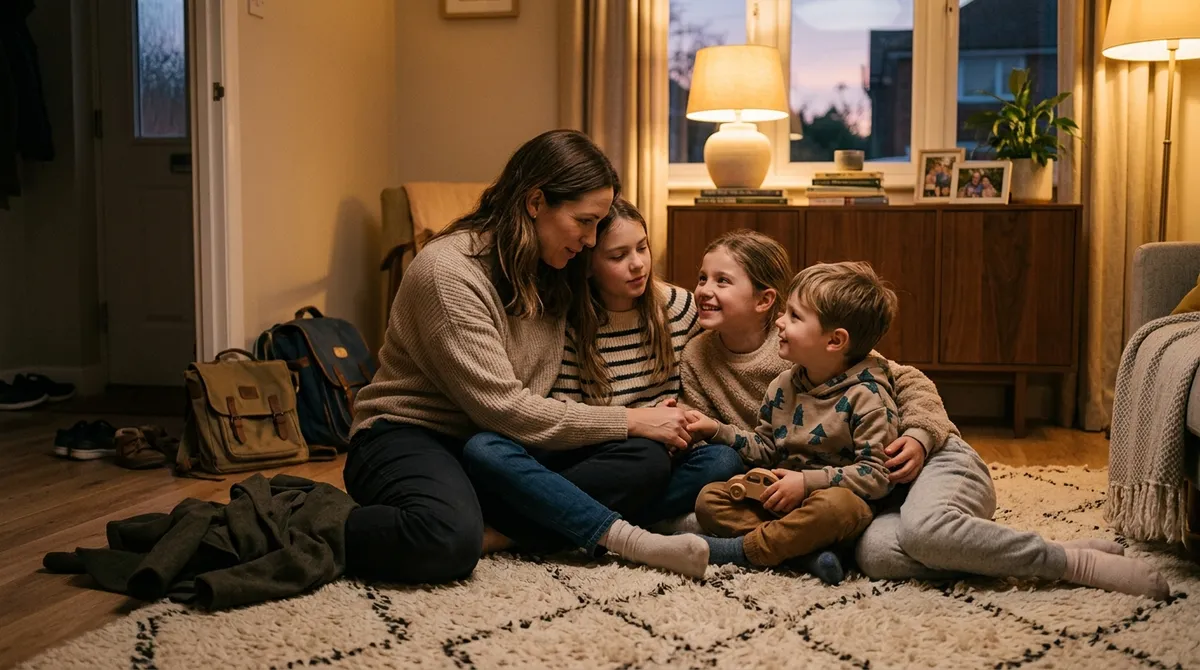
Parents are reportedly evolving past the gentle parenting movement that dominated recent years. This shift represents what experts call "balanced parenting" — the next step that combines empathy with structure. Families are discovering they need to be steady, present, and realistic rather than perfect.
Screen-Free Childhoods Make a Comeback
Despite living in an increasingly digital world, many families are embracing screen-free approaches to childhood. This doesn't mean going completely anti-tech, but rather raising "screen-smart" kids who can navigate technology thoughtfully rather than being consumed by it.
Fostering Independence Over Protection
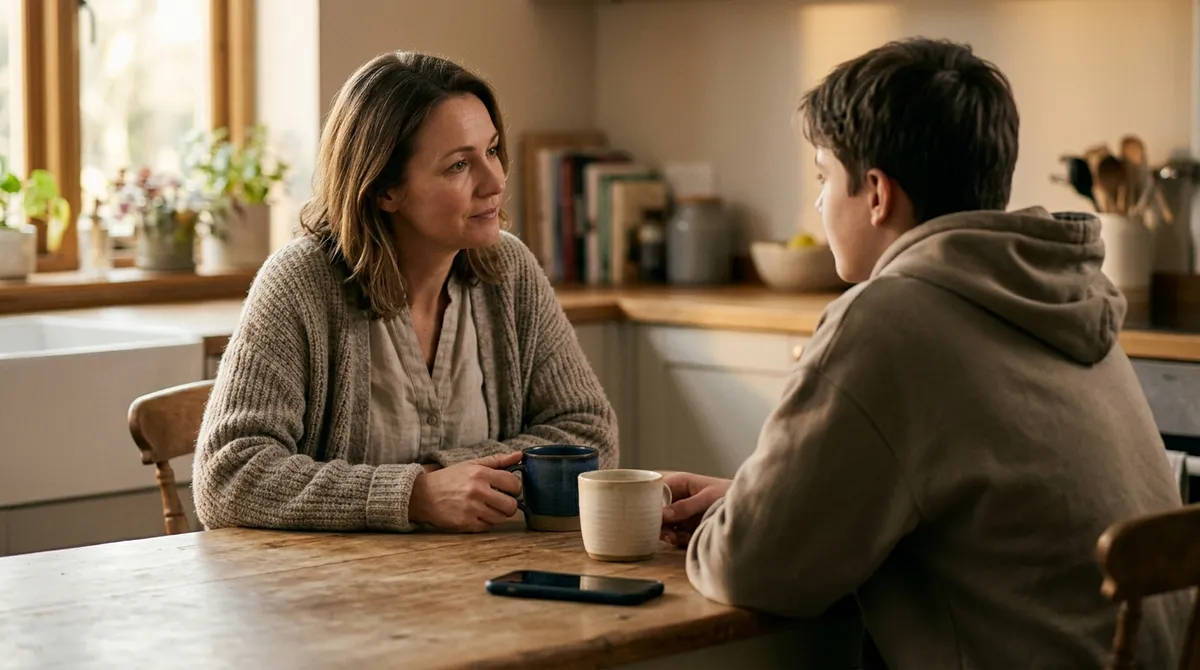
Parents are deliberately raising more independent children, moving away from helicopter parenting styles. This trend emphasizes teaching kids to handle challenges and make decisions rather than shielding them from every difficulty.
Emotional Intelligence Trumps Academic Marks
Emotional health is becoming more valued than traditional academic achievement. Families are prioritizing their children's ability to understand and manage emotions over perfect report cards or test scores.
Slower, More Intentional Approaches
The Rise of Slow Parenting
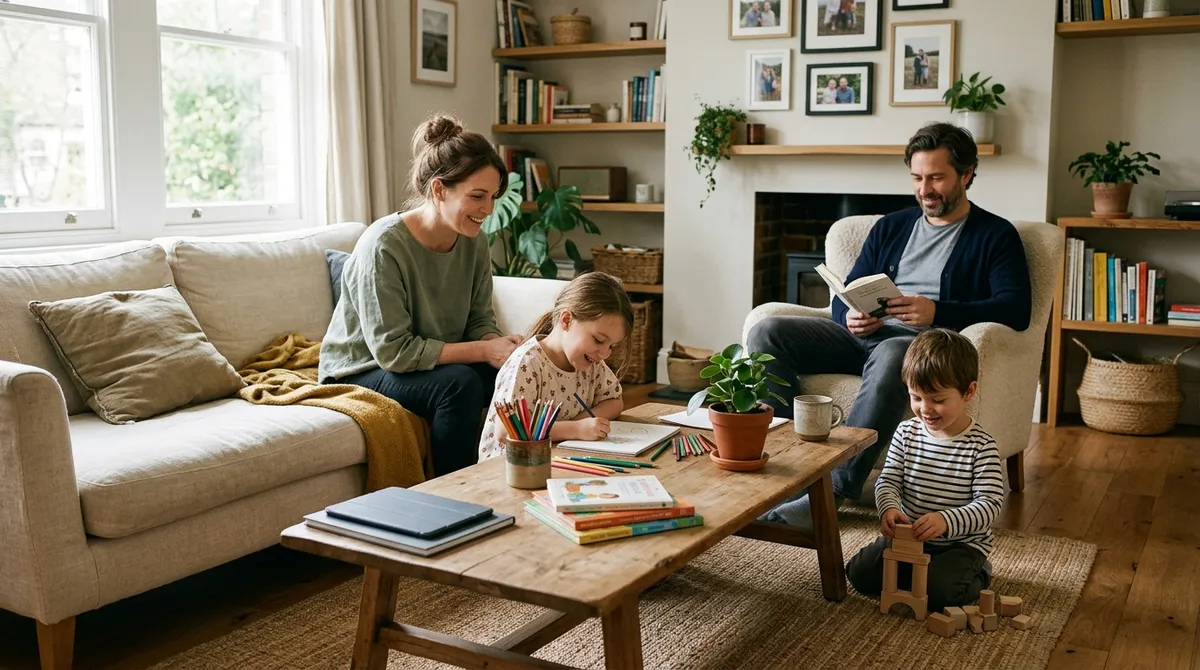
Hyper-scheduled childhoods are giving way to "slow parenting" approaches. Instead of cramming every moment with activities and enrichment, families are allowing for more unstructured time and natural development.
Parent Mental Health as Family Priority
One of the most significant shifts involves parents prioritizing their own mental health. Recognition is growing that parent well-being directly impacts family dynamics and children's development.
Bringing Back Boundaries
After years of child-centered approaches, boundaries are becoming important again in family structures. This represents a return to clear expectations and limits that provide security for both parents and children.
Embracing Imperfection
The era of the "perfect parent" is reportedly ending. Families are moving toward more authentic approaches that acknowledge mistakes and imperfections as part of healthy family life.
Why This Shift Matters Now
This transformation comes as a reaction to years of social media pressure, digital overload, burnout, and hyper-competitive childhoods. Parents are seeking relief from the exhausting pursuit of perfection that has characterized recent parenting culture.
The strongest message emerging from these trends is reassurance: parents don't need to be perfect. Instead, the focus is shifting toward being present, consistent, and realistic about family life.
Practical Changes for Modern Families
These trends translate into practical shifts that families can implement. The emphasis is on "what to stop doing" rather than adding more to already full plates. This might mean reducing scheduled activities, embracing boredom as beneficial for children, and recognizing that chores and even failure can be good for child development.
Looking Forward
As families navigate 2026, the overarching theme appears to be sustainability — creating family dynamics that can be maintained long-term without burning out parents or overwhelming children. This represents a fundamental shift from the intense, perfectionist approaches that have dominated recent years.
The movement suggests that effective parenting isn't about following the latest trends or achieving impossible standards. Instead, it's about creating stable, loving environments where both children and parents can thrive authentically.