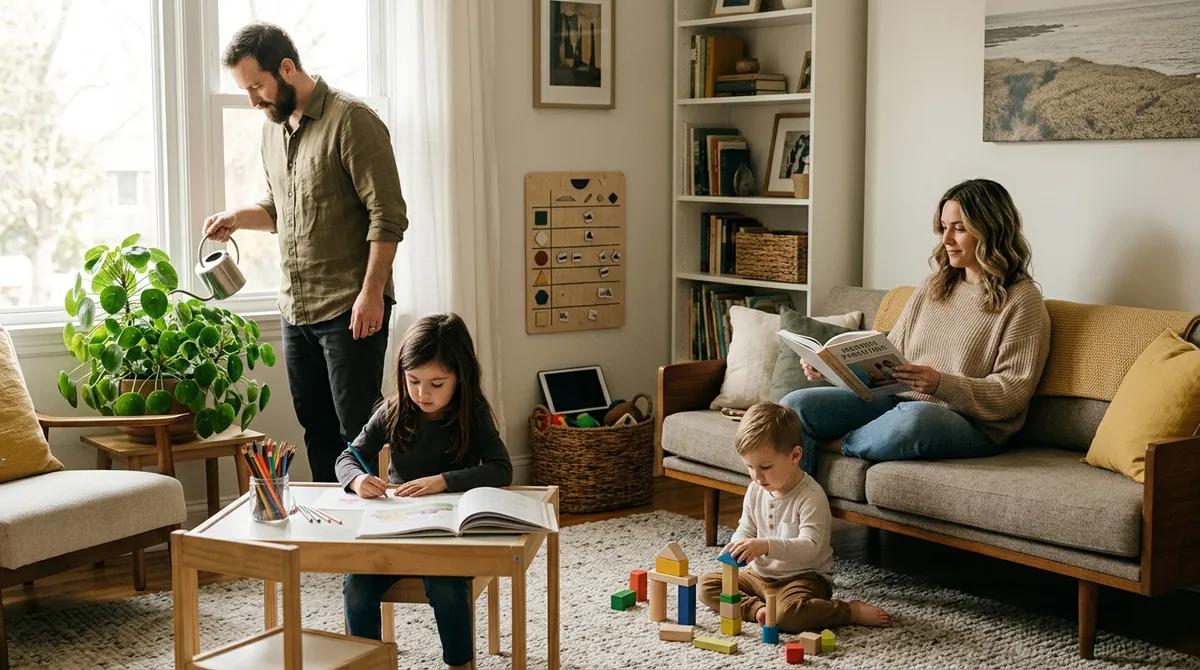
The Shift Away from Perfect Parenting
According to reports, families in 2026 are experiencing a significant cultural shift in parenting approaches. After years of social media pressure, digital overload, and burnout from hyper-competitive childhoods, parents are moving toward more honest and sustainable family life practices that prepare children for uncertainty without exhausting caregivers.
Beyond Gentle Parenting: Finding Balance
Parents are reportedly moving beyond the "gentle parenting" approach that dominated recent years. This shift represents a search for balanced parenting that combines empathy with structure, acknowledging that children need both understanding and clear expectations to thrive.
The Return of Screen-Free Childhoods
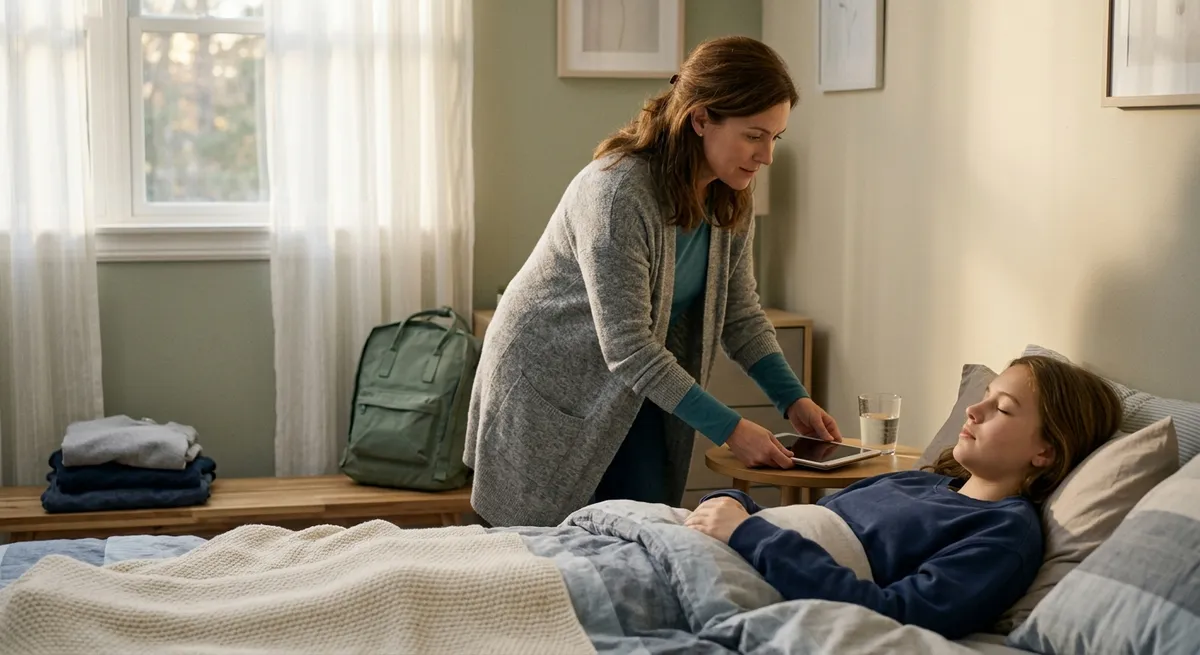
Screen-free childhoods are making a notable comeback, according to reports. However, this doesn't mean parents are going fully anti-technology. Instead, families are focusing on raising "screen-smart" kids who can navigate digital tools without being overwhelmed by them.
Fostering Independence Over Protection
Parents are reportedly prioritizing raising more independent children. This trend suggests a move away from over-protective parenting styles toward approaches that allow children to develop self-reliance and problem-solving skills through age-appropriate challenges.
Emotional Intelligence Takes Priority
Emotional intelligence is becoming more important than academic marks, according to reports. This shift reflects parents' recognition that emotional skills may be more crucial for children's long-term success and well-being than traditional academic achievements alone.
Embracing Slow Parenting
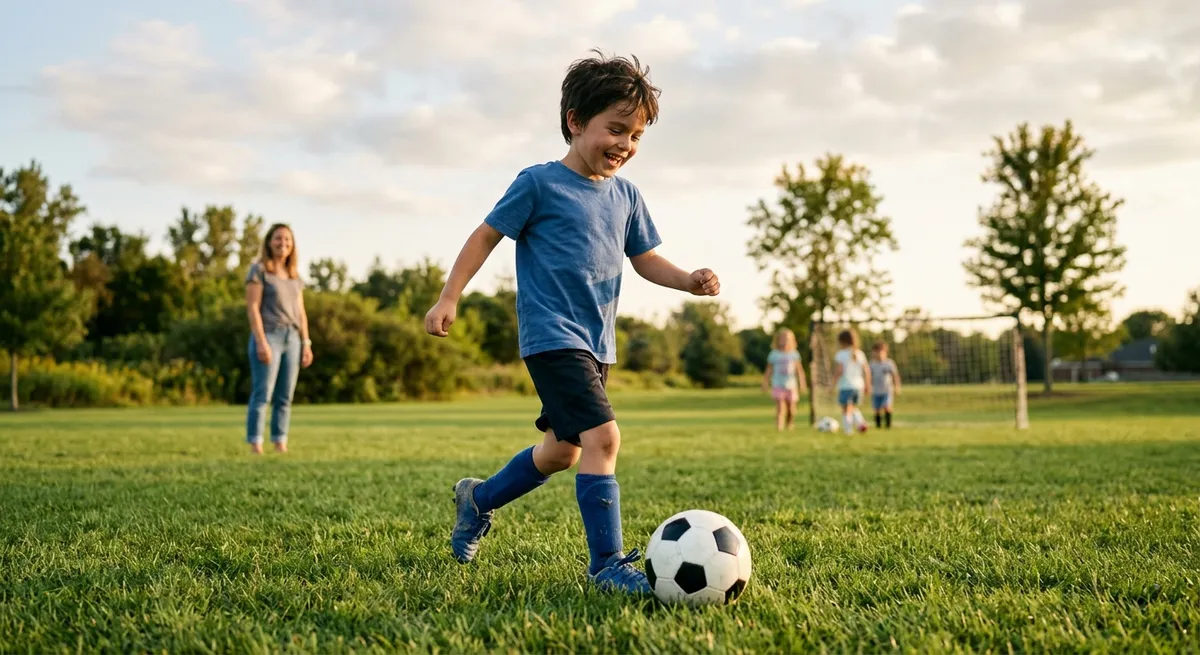
Slow parenting is replacing hyper-scheduled childhoods, reports indicate. Families are stepping back from the constant activity and enrichment programs that characterized previous parenting approaches, instead allowing children more unstructured time and natural learning opportunities.
Prioritizing Parent Mental Health
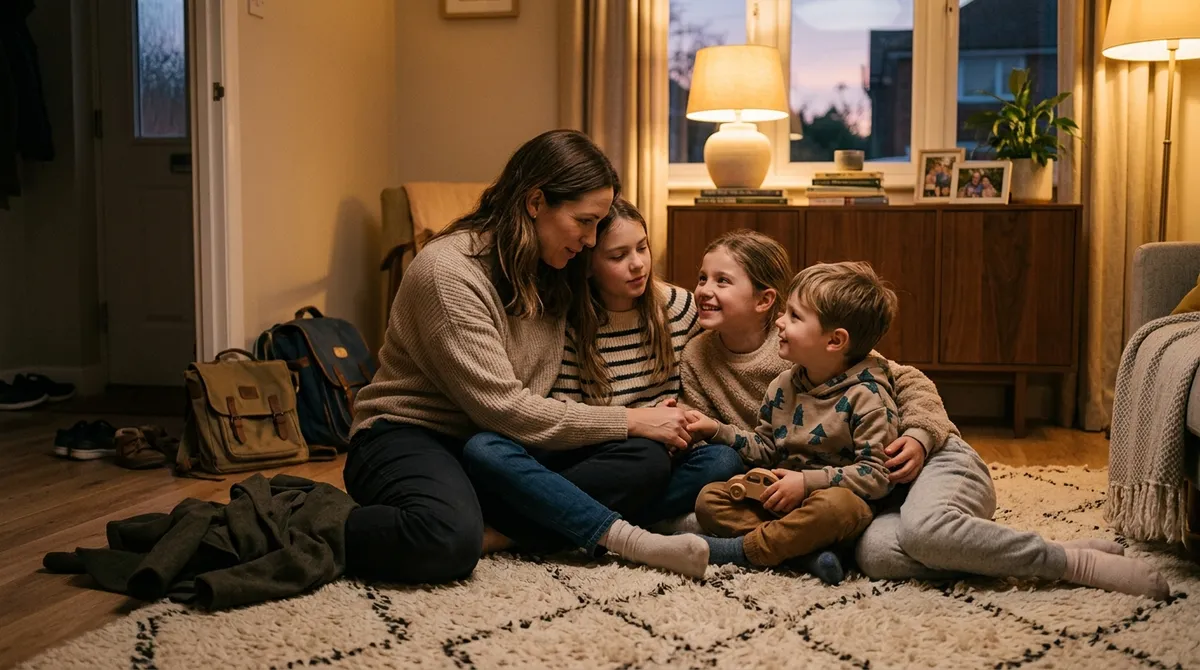
A significant trend involves parents prioritizing their own mental health alongside their children's well-being. This represents a departure from self-sacrificing parenting models toward recognition that parent mental health is a family priority that benefits everyone.
The Return of Boundaries
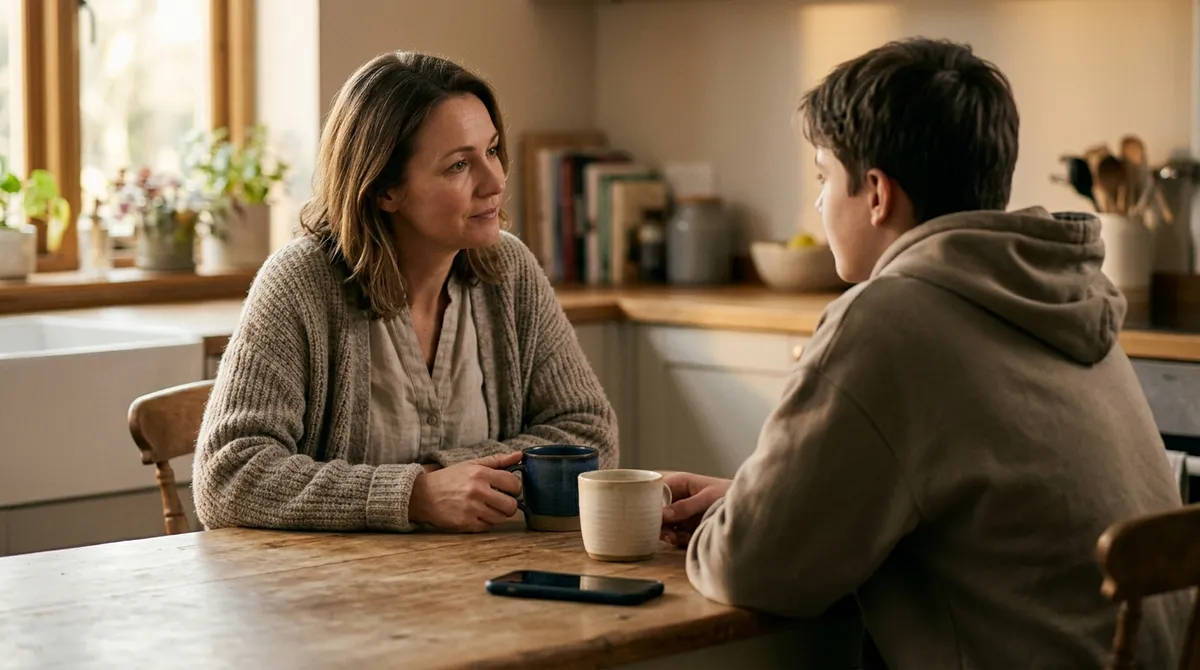
Boundaries are becoming more important again in family dynamics, according to reports. This trend suggests parents are finding ways to maintain clear expectations and limits while still fostering emotional connection with their children.
The End of Perfectionist Parenting
Perhaps most significantly, the era of the "perfect parent" is ending. Parents are moving away from the pressure to excel in every aspect of child-rearing simultaneously – from managing screen time and encouraging creativity to monitoring mental health and preparing kids for an AI-driven future while remaining perpetually calm and fulfilled.
Why These Changes Matter Now
These shifts come as parents react to years of unsustainable expectations. The competitive nature of modern parenting, where families felt pressured to excel in multiple areas simultaneously, has given way to more realistic approaches that acknowledge the complexity of raising children in an uncertain world.
Bringing Back Traditional Elements
Reports suggest that some parents, particularly millennial parents, are incorporating elements from their own childhoods into their parenting approaches. This includes accepting that boredom, chores, and even failure can be beneficial experiences for children's development.
The Path Forward
The strongest message emerging from these trends is one of reassurance for parents. According to reports, the cultural shift emphasizes that parents don't need to be perfect – they need to be steady, present, and realistic about what families can reasonably achieve.
This evolution in parenting philosophy represents a move toward sustainability in family life, where both children's development and parent well-being are valued. Rather than pursuing impossible standards of perfection, families are finding approaches that work for their specific circumstances while preparing children for real-world challenges.
The trends suggest that 2026 marks a turning point where families are choosing authenticity over appearance, balance over extremes, and long-term resilience over short-term achievements.