
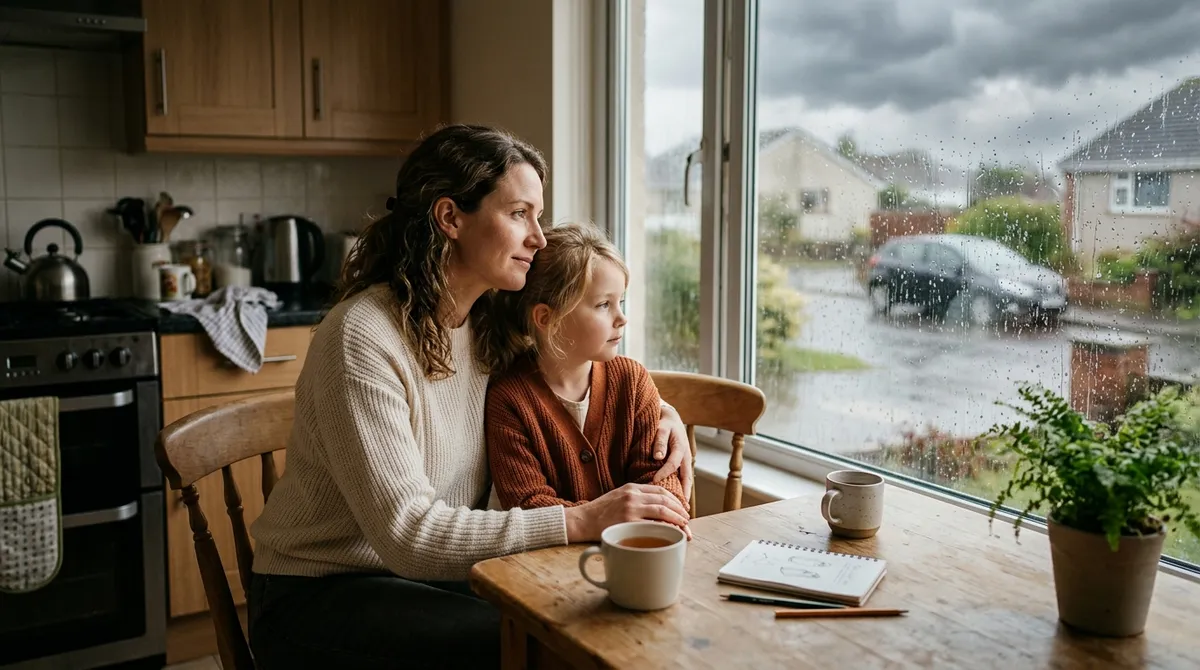
Communicating with children about natural disasters can be a challenging task for parents. When events like the recent Texas flood occur, it's crucial to approach the conversation with sensitivity and clarity. Understanding how to explain these occurrences while addressing any fears your child may have is essential for their emotional well-being.
Understanding the Impact of Natural Disasters
Natural disasters, such as floods, can have a profound impact not only on the environment but also on communities and families. The recent Texas flood is a stark reminder of mother nature's unpredictability and the importance of preparedness. It's critical for parents to recognize that children might process these events differently, often feeling scared or anxious about their own safety and the safety of loved ones.
Creating a Safe Space for Discussion
When initiating a conversation about such serious topics, it's important to create a safe and reassuring environment. Allow your child to express their feelings and thoughts openly without fear of judgment. Acknowledge their emotions and provide comfort by letting them know it's natural to feel upset or worried about what they've heard or seen.
Tailoring the Conversation to Your Child's Age
Children of different ages will understand and respond to information about natural disasters in varied ways. For younger children, use simple language and focus on basic facts to avoid overwhelming them. With older children, you can delve into more detailed discussions about the causes and effects of natural disasters, always ensuring to answer their questions honestly.
Providing Reassurance and Safety Measures
Reassuring your child about their safety is a crucial part of the conversation. Explain the safety measures your family has in place and how they contribute to keeping everyone secure. This might include discussing evacuation plans, emergency kits, and the importance of staying informed through reliable news sources.
Encouraging Emotional Expression
Encourage your child to express their emotions through creative outlets like drawing or writing. This can be a therapeutic way for them to process their feelings. Additionally, monitor any changes in their behavior, such as increased clinginess or sleep disturbances, which might indicate anxiety related to the disaster.
Fostering Empathy and Community Awareness
Discussing natural disasters is also an opportunity to teach children about empathy and community support. Highlight the efforts of rescue teams and volunteers, and explore ways your family can contribute, such as donating to relief funds or volunteering. This not only fosters a sense of compassion but also empowers children to feel like they can make a positive impact.
Utilizing Resources and Support
There are numerous resources available for parents to help navigate these discussions. Consider consulting child psychologists or accessing online materials provided by educational and mental health organizations. These resources can offer additional strategies and tips for effectively communicating with children about natural disasters.
Conclusion
Talking to children about natural disasters like the Texas flood requires a balanced approach of honesty, reassurance, and empathy. By tailoring the conversation to your child's age and emotional needs, you can help them understand and cope with these events more effectively. Remember, your support and guidance as a parent are invaluable in helping your child feel safe and informed.