In the journey of parenting, the focus often shifts to tangible skills like teaching children to walk, talk, or read. However, there are less visible skills that are just as crucial, if not more so, for a child's development. These overlooked parenting skills form the foundation for emotional intelligence and resilience in children.
Parents often emphasize academic success and physical development, yet the cultivation of emotional and social skills is equally vital. Children who learn to manage their emotions, interact positively with others, and develop a sense of empathy are better equipped for the challenges of life.
Fostering Emotional Intelligence
Emotional intelligence is the ability to understand and manage one's emotions, as well as empathize with others. Parents can nurture this by teaching children to identify and articulate their feelings. Open discussions about emotions help children feel understood and valued, thereby enhancing their emotional vocabulary and self-awareness.
Encouraging children to express feelings in a constructive manner can prevent emotional bottlenecks and promote mental well-being. For instance, when a child is upset, parents can guide them in recognizing the emotion and exploring ways to cope, such as deep breathing or discussing the issue.
Building Social Skills
Interpersonal skills are critical for forming healthy relationships. Parents can model and teach behaviors like sharing, taking turns, and active listening. These skills help children navigate social interactions and build connections with peers.
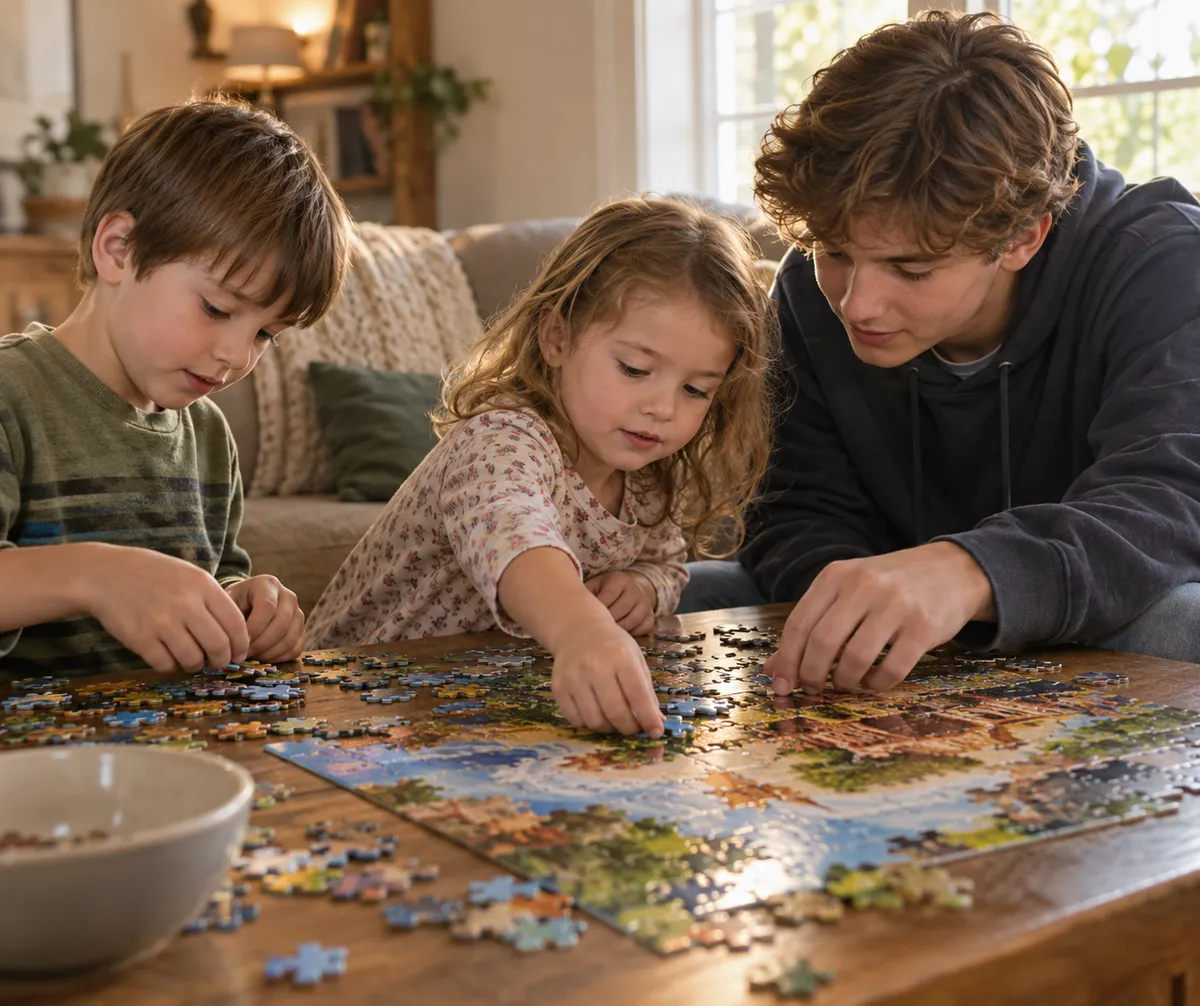
Setting up playdates or group activities can provide children with opportunities to practice social skills. Observing and gently guiding interactions during these activities can reinforce positive behaviors, such as cooperation and conflict resolution.
Encouraging Resilience
Life is filled with challenges, and resilience is the ability to bounce back from setbacks. Parents can foster resilience by encouraging a growth mindset, where children see failures as opportunities for learning and growth rather than as insurmountable obstacles.
Parents should praise effort rather than innate ability, helping children understand that persistence and hard work lead to improvement. When children face challenges, guiding them to problem-solve and find solutions on their own builds confidence and resilience.
Promoting Independence
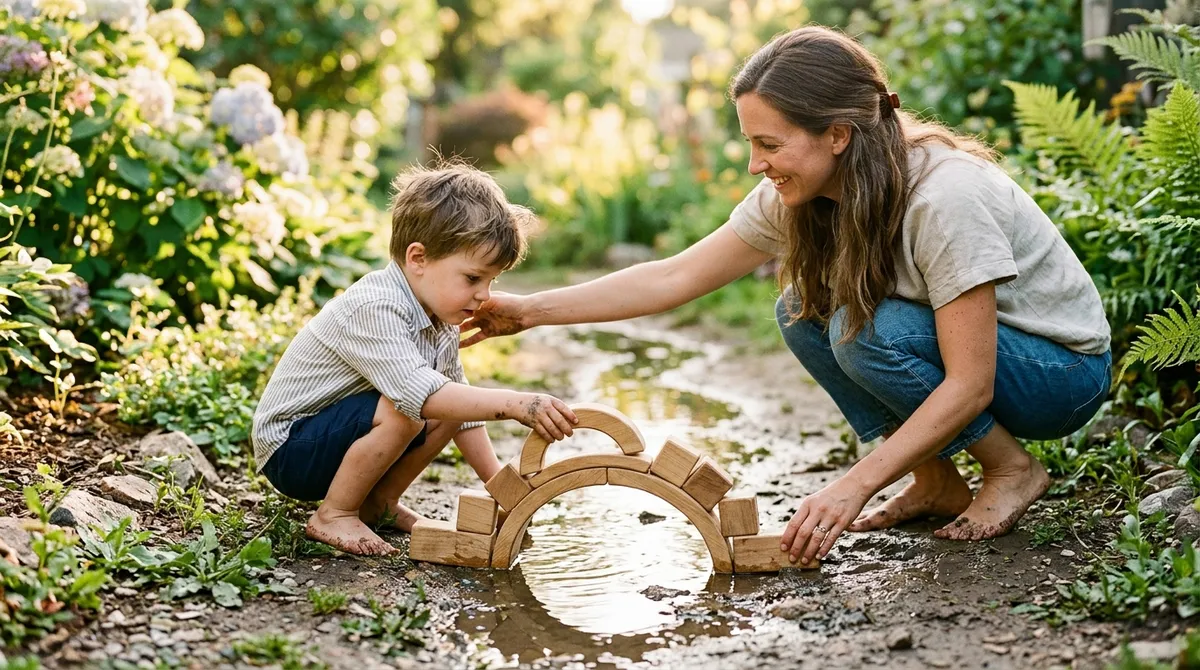
Another crucial, yet often overlooked, skill is independence. Teaching children to make decisions and solve problems independently empowers them. It is essential to provide a safe environment where children can take risks and learn from their mistakes.
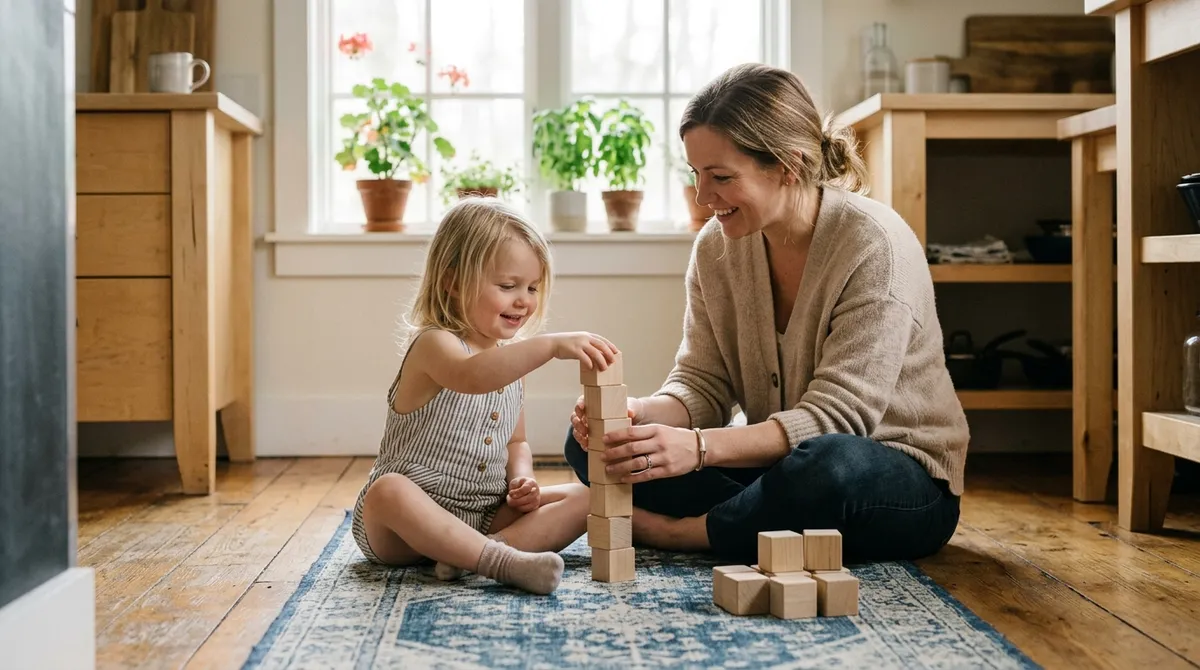
Giving children age-appropriate responsibilities, like choosing their clothes or helping with meal preparation, can enhance their decision-making skills. Parents should offer guidance and support while allowing children the freedom to make choices and learn from the outcomes.
The Role of Empathy
Empathy, the ability to understand and share the feelings of others, is another key component of emotional and social development. Parents can foster empathy by discussing the perspectives and feelings of others, encouraging children to consider how their actions affect others.
Reading stories with empathetic themes or discussing real-life situations can help children practice empathy. Parents can model empathetic behavior by demonstrating kindness and understanding in their interactions with others.
Conclusion
While traditional parenting skills like ensuring academic success and physical health are important, the development of emotional and social skills should not be overlooked. By fostering emotional intelligence, social skills, resilience, independence, and empathy, parents can equip their children with the tools necessary for a fulfilling and successful life.
These skills lay the groundwork for children to become well-adjusted, compassionate adults who can navigate the complexities of modern life with confidence and grace.