Managing Your Own Reactions First
When young athletes face tough losses during summer sports season, parents play a crucial role in shaping how children process disappointment. According to pediatric psychologist Dr. Chelsey Bowman, the foundation for helping kids cope with sports losses begins with managing parental reactions.
Summer brings an intensified sports schedule with camps, tournaments, and high-pressure moments for young athletes. As youth sports become increasingly competitive, parents find themselves in a unique position to teach resilience that extends far beyond the scoreboard.
What to Say After a Tough Loss
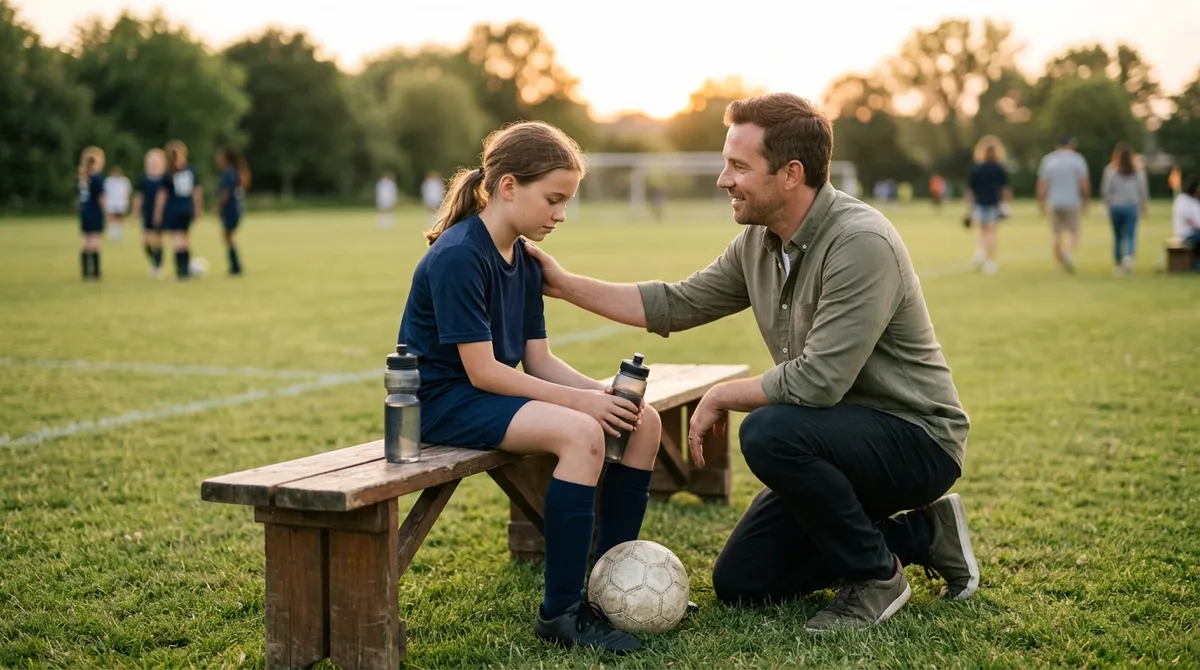
Dr. Bowman emphasizes the importance of choosing words carefully in those immediate post-game moments. According to reports, parents should focus on validating their child's emotions rather than immediately jumping to lessons or silver linings.
The key is acknowledging the disappointment while avoiding phrases that minimize the child's feelings. Rather than rushing to "fix" the situation, parents can provide emotional support by simply being present and allowing their young athlete to process the loss naturally.
Redirecting Focus Toward Growth
One of the most effective strategies involves helping children shift their attention from outcomes they can't control to areas where they have influence. Dr. Bowman's guidance suggests redirecting focus toward controllable goals and personal progress.
This approach helps competitive kids understand that improvement and effort matter more than winning every game. By highlighting specific skills, teamwork moments, or personal achievements during play, parents can help young athletes develop a growth mindset that serves them well beyond sports.
Building Resilience Through Sports Disappointments
Sports losses present valuable opportunities to build emotional resilience in children. According to reports, these moments become teachable experiences when parents approach them thoughtfully. The goal isn't to eliminate disappointment but to help children develop healthy coping mechanisms.
Parents can model emotional control during these challenging moments, demonstrating how adults handle disappointment constructively. This modeling becomes particularly important as children observe and learn from adult reactions to competitive situations.
Turning Setbacks Into Learning Opportunities
Dr. Bowman's advice focuses on transforming post-game disappointment into meaningful learning experiences. This process involves helping children identify what they learned during play, regardless of the final score.
Parents can guide conversations toward effort, improvement, and teamwork rather than dwelling on missed opportunities or referee calls. This redirection helps young athletes develop perspective and understand that growth often comes through challenges.
Supporting Competitive Young Athletes
For particularly competitive children, losses can feel especially devastating. According to reports, these young athletes benefit from parents who help them maintain focus on progress rather than perfection.
The summer sports season often intensifies these feelings as tournaments and camps create additional pressure. Parents can support competitive children by celebrating effort, acknowledging improvement, and helping them set realistic goals for future games.
Creating Positive Post-Game Routines
Establishing consistent post-game routines helps children know what to expect after both wins and losses. These routines might include brief cool-down time, a favorite snack, or simply discussing one positive moment from the game.
By maintaining consistency regardless of outcomes, parents help normalize the full range of sports experiences. This approach reduces the dramatic emotional swings that can occur when children view every game as either complete success or total failure.
Long-Term Benefits Beyond Sports
The resilience skills developed through handling sports losses extend far beyond athletic activities. Children who learn to cope with disappointment in sports often carry these skills into academic challenges, social situations, and future career obstacles.
According to Dr. Bowman's guidance, parents who focus on emotional validation and growth-oriented responses help children develop crucial life skills. These abilities become increasingly valuable as children face various challenges throughout their development.
Summer sports season provides numerous opportunities for parents to support their young athletes through both victories and defeats, creating lasting lessons about perseverance and emotional regulation.