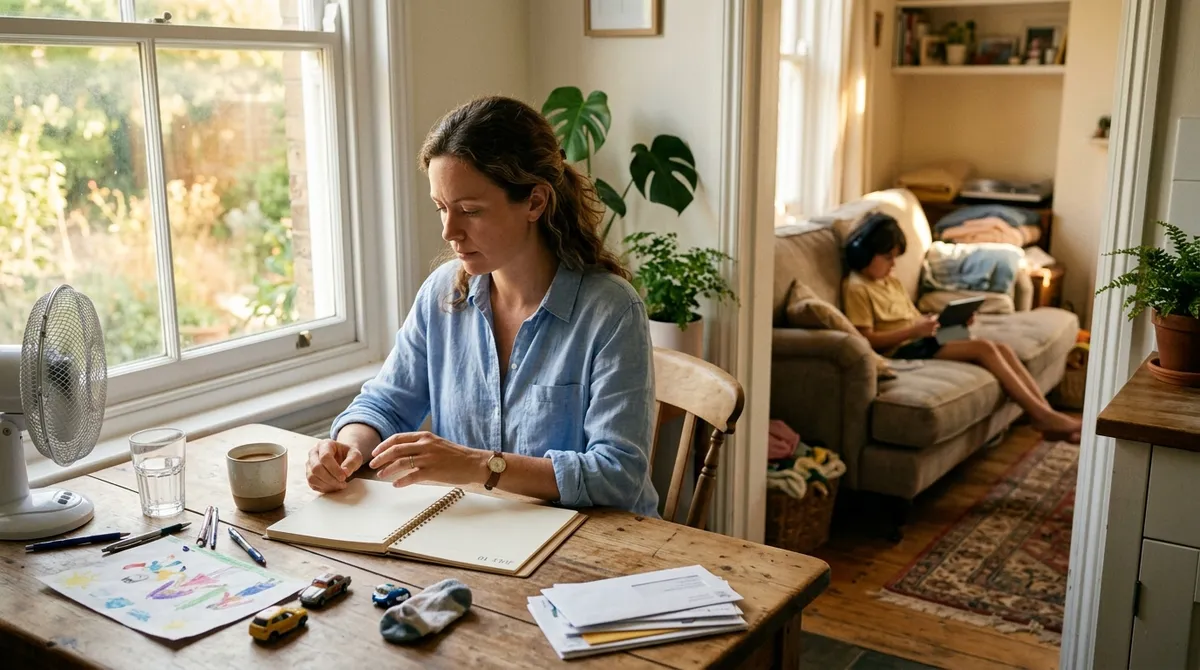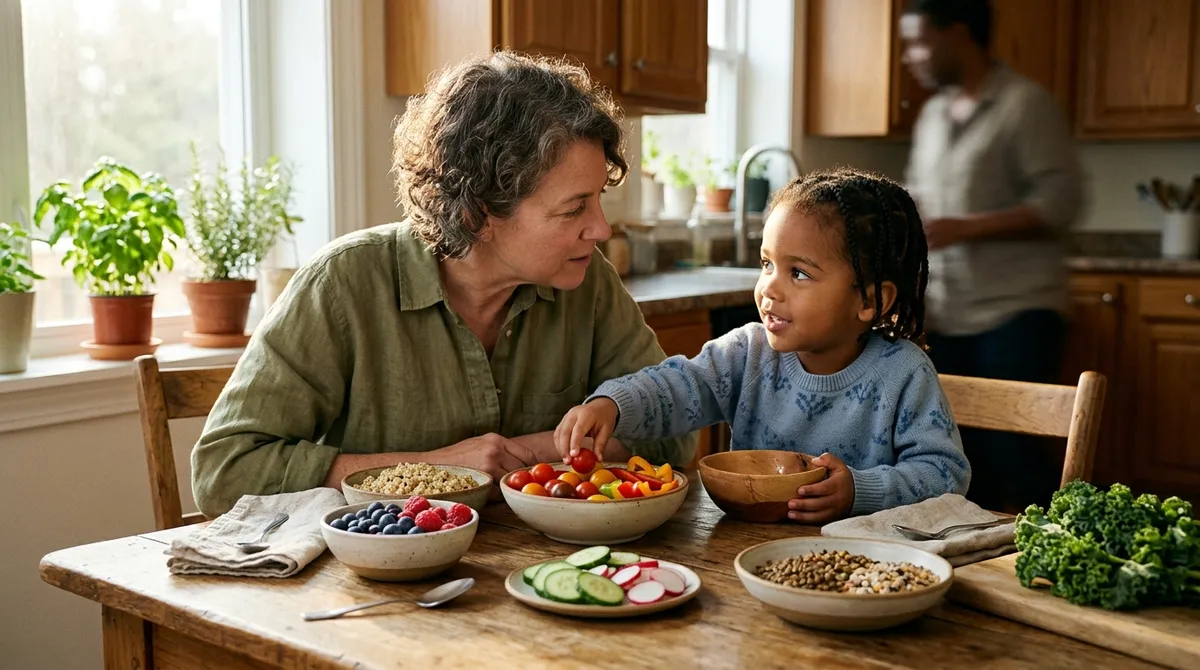

The concept of free-range parenting has been gaining traction in recent years, spurring a lively debate among parents, educators, and child psychologists. This parenting approach, which encourages independence and self-reliance in children, is often contrasted with overprotective or 'helicopter' parenting. Proponents argue that it fosters resilience, creativity, and problem-solving skills, while critics worry about potential risks to children's safety.
Free-range parenting is not a new phenomenon. It harks back to a time when children were given more freedom to explore their surroundings without constant adult supervision. This style of parenting promotes autonomy, encouraging children to make decisions, face challenges, and learn from their mistakes, thereby preparing them for the real world.
The Pros of Free-Range Parenting
Those who advocate for free-range parenting believe it cultivates resilience in children. When kids are given the freedom to navigate obstacles and solve problems on their own, they develop a robust toolkit of life skills. This approach not only fosters independence but also enhances children's confidence and self-esteem.
Additionally, free-range parenting can spark creativity. Without the constraints of structured play or adult-driven activities, children are free to explore, imagine, and innovate. This unstructured playtime can lead to the development of unique ideas and perspectives.
The Cons of Free-Range Parenting
However, not everyone is in favor of this parenting style. Critics argue that the world is much more dangerous than it used to be and that children need protection and supervision. They assert that free-range parenting might expose children to unnecessary risks.
Moreover, some believe that this approach might lead to feelings of neglect in children. If not properly implemented, children might interpret the independence granted by free-range parenting as a lack of interest or care from their parents.
Striking a Balance
While the debate continues, it's clear that a balance must be struck. Children need both freedom and boundaries to grow into well-adjusted adults. Therefore, parents might consider adopting a flexible approach, combining the principles of free-range parenting with elements of supervision and guidance.
Ultimately, every child is unique, and what works for one might not work for another. As such, parents should be attuned to their child's needs and adapt their parenting style accordingly. Despite the controversy, the goal remains the same: to raise confident, capable, and caring individuals.