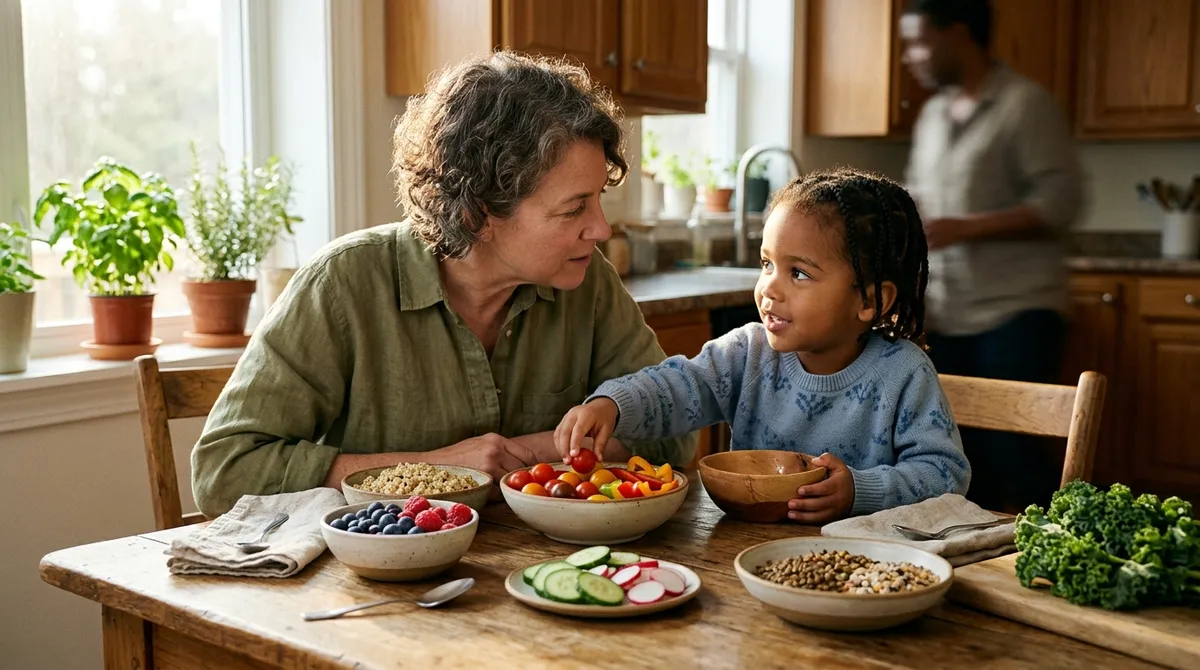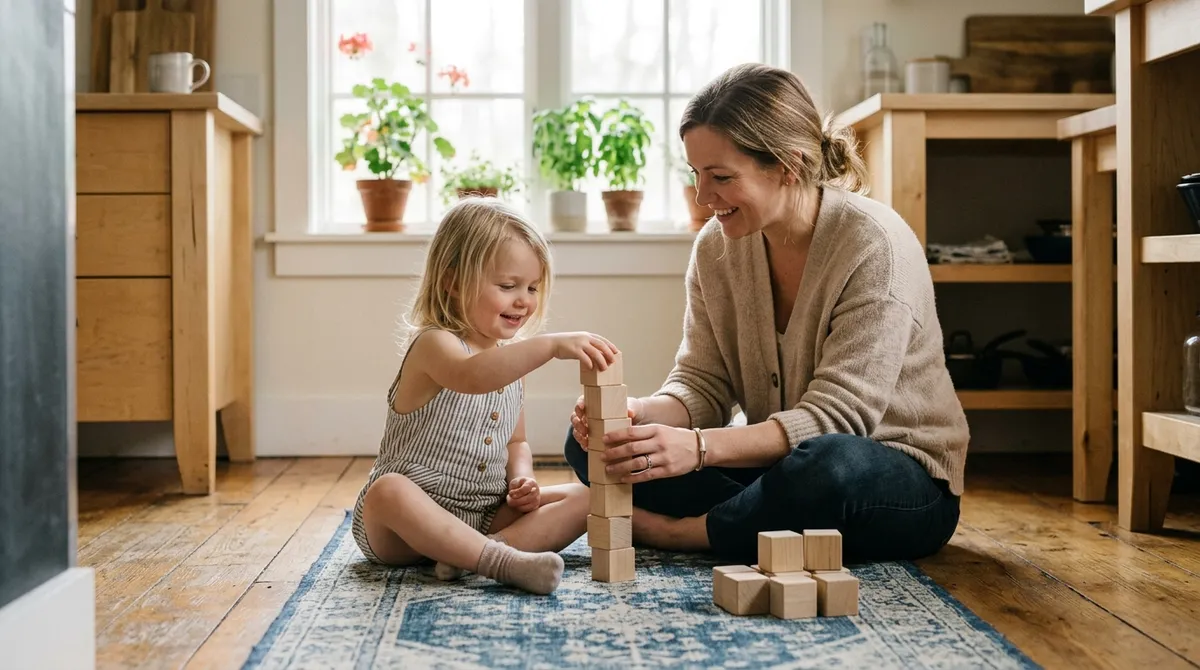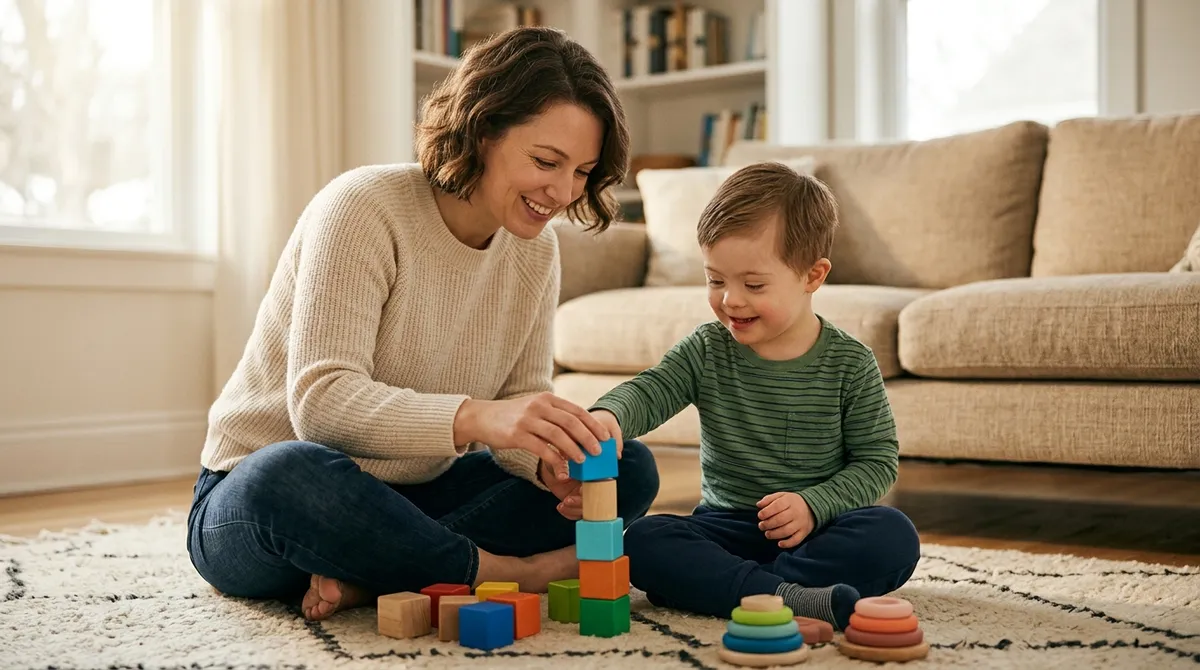
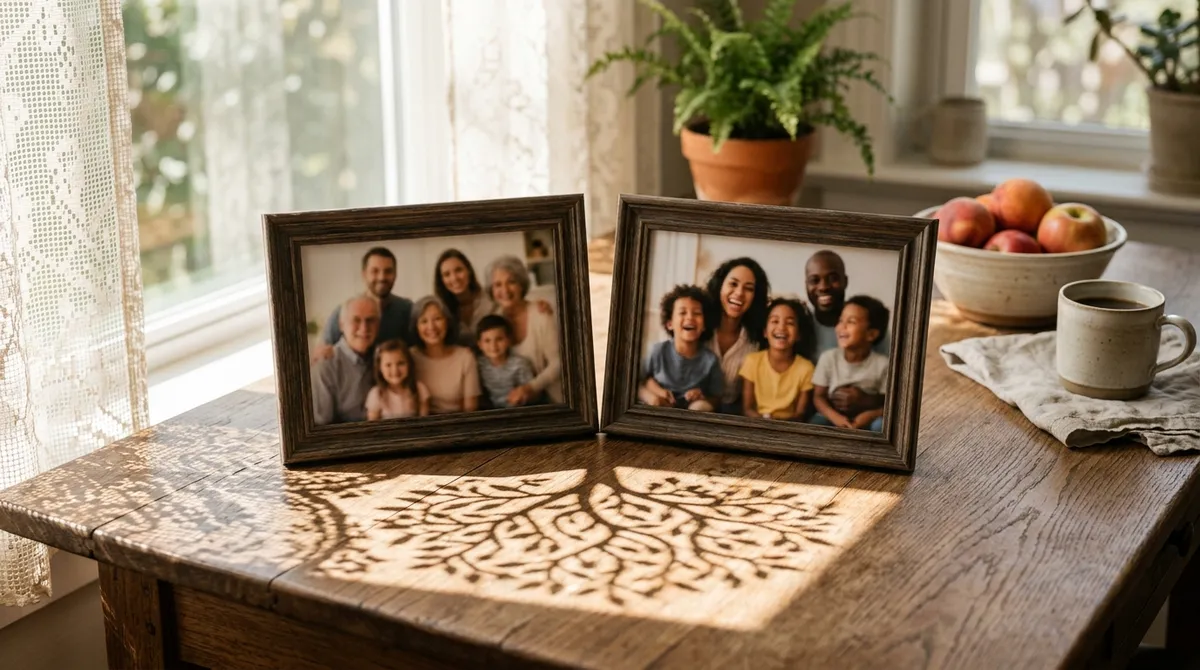
In today's complex world of family dynamics, the definition of "family" continues to evolve. Modern families often transcend traditional boundaries, embracing diverse structures and connections. This evolution is particularly evident in families formed through sperm donation, where children may share genetic ties with individuals outside their immediate family circle. As these unique familial relationships grow, they pose intriguing questions and challenges for parents and children alike.
The Rise of Genetic Connections
With advances in reproductive technology, more families are turning to sperm donation as a viable option for conception. This trend has led to a growing number of children who share biological links with half-siblings or cousins from different households. While these connections offer potential for rich, extended relationships, they also introduce new considerations for parents.
Parents often find themselves navigating the complexities of these relationships, balancing the need for transparency with their desire to protect their children. As children grow and become curious about their origins, discussions about genetic connections become inevitable. It's essential for parents to approach these conversations with openness and honesty, fostering a supportive environment for their children to explore their identities.
Understanding the Family Web
In families formed through sperm donation, the web of relationships can be intricate. Children may have numerous half-siblings, cousins, or other relatives they have yet to meet. This expanding family network can be both exciting and overwhelming, especially for young children trying to grasp the concept of family.
Parents can help their children understand these connections by using age-appropriate language and analogies. Explaining family structures through stories or visual aids can make these complex ideas more accessible. Additionally, participating in family gatherings or events that include donor-related relatives can provide a tangible sense of belonging and connection.
Challenges and Considerations
While the benefits of forming relationships with donor-conceived relatives are significant, there are challenges that families may encounter. Privacy concerns are often at the forefront, as families must decide how much information to share and with whom. Balancing openness with the need for privacy requires careful consideration and clear boundaries.
Another challenge is managing the emotional dynamics between siblings or cousins who share a genetic link. Differences in upbringing, personality, and lifestyle can affect these relationships. Parents can play a crucial role in facilitating positive interactions and helping children navigate any conflicts or misunderstandings that may arise.
Creating a Supportive Environment
To foster a healthy environment for children exploring their genetic connections, parents can take proactive steps. Encouraging open dialogue within the family is essential, allowing children to express their thoughts and feelings without judgment. Seeking support from counseling services or support groups can also provide valuable resources for families navigating these unique dynamics.
Additionally, educating children about the diverse nature of families can help them embrace their own identity with confidence. Highlighting stories of other donor-conceived individuals and families can illustrate that they are not alone in their experiences, fostering a sense of community and understanding.
Looking to the Future
As society continues to embrace diverse family structures, understanding and supporting families formed through sperm donation will become increasingly important. Parents who navigate these complex dynamics with empathy and openness will lay the groundwork for their children to thrive in a world where family is defined by love and connection, rather than solely by genetics.
In the coming years, as these children grow and forge their own paths, the lessons learned from their unique family experiences will contribute to a broader understanding of what it means to be a family. By embracing these connections and nurturing them with care, families can build a supportive network that enriches the lives of all members involved.