The Summer Sports Challenge for Parents
As summer sports season kicks into high gear with camps, tournaments, and high-pressure moments, young athletes face inevitable disappointments. According to reports, pediatric psychologist Dr. Chelsey Bowman emphasizes that parents play a major role in teaching resilience beyond the scoreboard, particularly as youth sports become increasingly competitive.
The key lies not just in what parents say after a tough loss, but how they manage their own reactions and redirect their child's focus toward growth and controllable goals.
Managing Your Own Reactions First
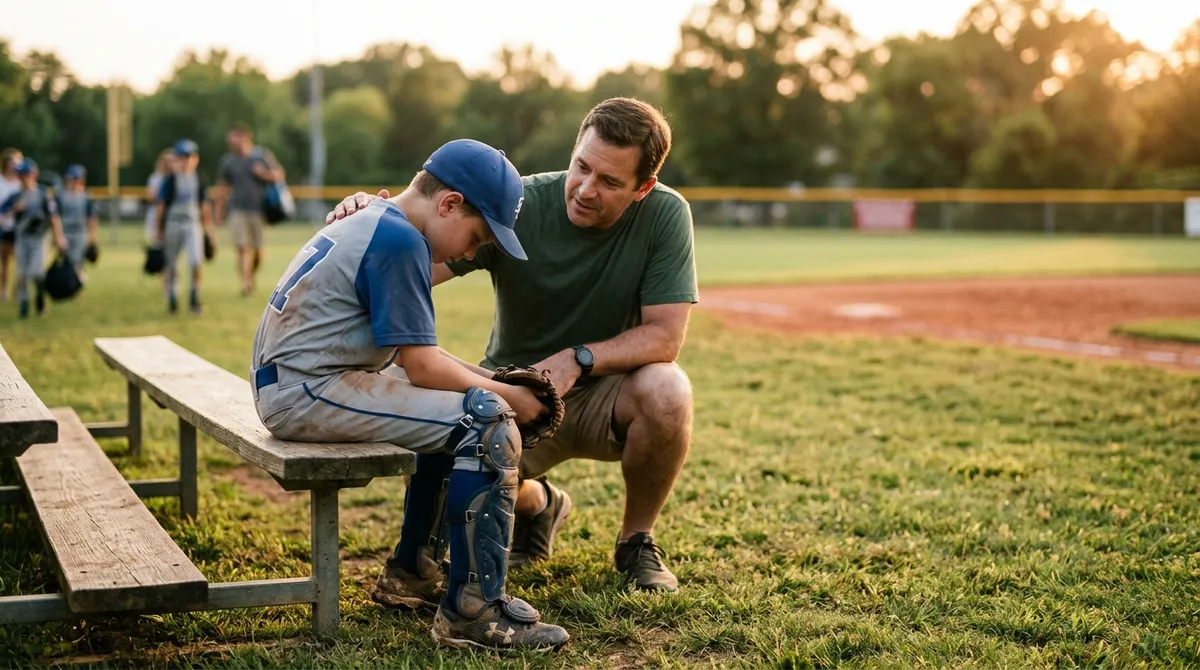
Before addressing your child's emotions, Dr. Bowman's guidance highlights the importance of parents modeling emotional control in youth sports situations. According to reports, how parents respond in those immediate post-game moments sets the tone for how children will process disappointment.
When your child experiences a tough loss, your initial reaction becomes a teaching moment. Children are watching not just for what you say, but how you handle your own emotions about their performance and the outcome.
What to Say After a Tough Loss
The words parents choose in those crucial moments after disappointment can either build resilience or compound frustration. According to Dr. Bowman's advice, validating emotions serves as a critical first step in helping kids cope with tough sports losses.
Rather than immediately jumping to lessons or silver linings, acknowledge what your child is feeling. Simple statements that recognize their disappointment show that their emotions are valid and normal.
Focus conversations on effort and improvement rather than the final score. Ask about what they enjoyed during the game or what they felt they did well, shifting attention from outcomes they couldn't control to aspects of their performance they could influence.
What Not to Say
According to reports, certain common parental responses can actually hinder a child's ability to process losses constructively. Avoid minimizing their feelings with phrases that dismiss the importance of the game or their disappointment.
Similarly, immediate analysis of what went wrong or how they could have performed better can overwhelm a child who is still processing their emotions. Save technical discussions for later when emotions have settled.
Turning Losses into Teachable Moments
Dr. Bowman's guidance emphasizes turning post-game disappointment into opportunities for growth. According to reports, this involves helping children understand that losses are part of sports and life, while focusing on what they can control moving forward.
Encourage your child to identify specific skills they want to work on or aspects of their game they enjoyed, regardless of the outcome. This approach helps competitive kids shift their focus from winning to personal progress and development.
Building Long-Term Resilience
The ultimate goal extends beyond managing individual losses to building overall emotional resilience. According to reports, parents can help children develop coping strategies that will serve them both in sports and other challenging situations throughout life.
Encourage your child to set process-oriented goals rather than outcome-oriented ones. Instead of focusing solely on winning games or tournaments, help them identify controllable objectives like improving their batting stance, communicating better with teammates, or maintaining focus during pressure situations.
Creating a Supportive Environment
Building resilience requires consistent support beyond just post-loss conversations. According to Dr. Bowman's advice, parents should create an environment where effort and sportsmanship are valued as highly as winning.
Celebrate improvements and good sportsmanship just as enthusiastically as victories. This balanced approach helps children develop a healthier relationship with competition and reduces the pressure they feel to win at all costs.
The Bigger Picture
As summer sports season progresses, remember that each disappointing game represents an opportunity to strengthen your child's emotional toolkit. According to reports, the lessons learned from handling losses well will benefit children far beyond their athletic endeavors.
By managing your own reactions, validating their emotions, and consistently redirecting focus toward growth and controllable goals, you're helping your young athlete develop resilience that will serve them throughout their lives. The scoreboard may show a loss, but the real victory lies in how well they bounce back from disappointment.