Managing Your Own Reactions First
As summer sports season kicks into high gear with camps, tournaments, and high-pressure moments, parents face a critical challenge: helping their young athletes navigate tough losses. According to pediatric psychologist Dr. Chelsey Bowman, the key starts with managing your own emotional response.
With youth sports becoming increasingly competitive, parents play a major role in teaching resilience that extends far beyond the scoreboard. How you react in those immediate moments after a disappointing loss can significantly impact your child's ability to bounce back and grow from the experience.
What to Say After a Tough Loss
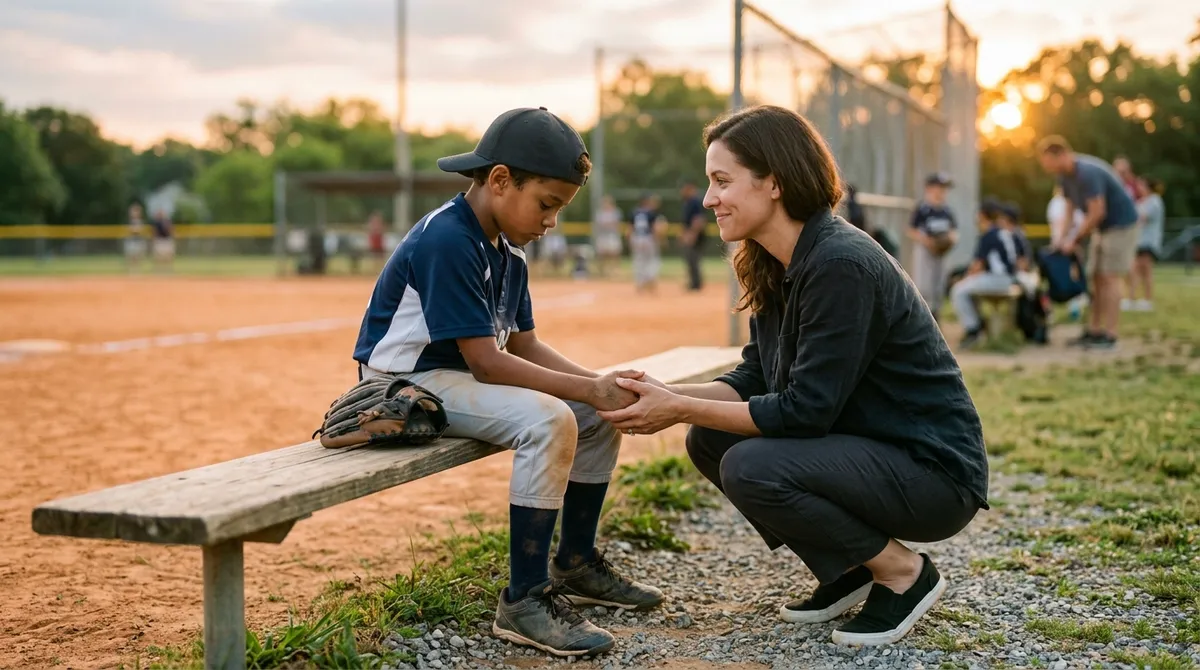
The words you choose in post-game moments matter more than you might realize. Dr. Bowman's advice focuses on validation rather than immediate problem-solving or motivation. According to reports, parents should acknowledge their child's emotions first before attempting to redirect toward lessons learned.
Validating your child's disappointment shows them that feeling upset about losses is normal and acceptable. This approach helps build emotional intelligence and teaches kids that difficult feelings are temporary and manageable.
What Not to Say: Avoiding Common Pitfalls
While it's natural to want to cheer up a disappointed child immediately, certain responses can actually hinder their emotional development. According to the guidance provided, parents should avoid minimizing the loss or jumping straight into "what went wrong" analysis while emotions are still running high.
Immediate post-game moments aren't the ideal time for technical feedback or strategic discussions about performance. These conversations are more effective when approached later, after initial emotions have settled.
Modeling Emotional Control
Children look to their parents for cues on how to handle disappointment and setbacks. Dr. Bowman's advice emphasizes that parents must demonstrate the emotional control they want to see in their young athletes.
This means managing your own frustration with referees, coaches, or game outcomes. When parents model calm, measured responses to disappointing results, they provide a powerful example of emotional regulation that children can emulate.
Turning Losses Into Learning Opportunities
According to the expert guidance, the most valuable approach involves redirecting focus toward growth and controllable goals rather than dwelling on outcomes. This shift helps children understand that improvement and effort matter more than winning or losing any single game.
Teaching kids to identify what they can control—their effort, attitude, and preparation—builds resilience that serves them well beyond sports. This mindset helps young athletes develop a growth-oriented perspective that benefits them in academics, relationships, and future challenges.
Focusing on Progress Over Winning
For competitive children who struggle with losses, Dr. Bowman's approach involves helping them recognize personal progress and improvement. According to reports, this strategy helps shift attention away from comparative outcomes toward individual development.
This focus on personal growth rather than beating others helps children develop intrinsic motivation and self-awareness. They learn to measure success through their own improvement rather than external validation through victories.
Creating Teachable Moments
Summer sports provide numerous opportunities to practice these skills, as tournaments and camps often involve multiple games and varying outcomes. Each disappointment becomes a chance to reinforce resilience-building strategies.
The key is approaching these moments consistently, using the same validating and growth-focused language whether your child's team loses by one point or suffers a blowout defeat. This consistency helps children develop reliable coping mechanisms they can apply independently.
Supporting Long-Term Athletic Development
Building resilience through sports losses contributes to healthier long-term athletic development. Children who learn to handle disappointment constructively are more likely to stick with sports, try new activities, and maintain a positive relationship with competition.
According to the expert advice, this approach also helps prevent the burnout and anxiety that can develop when young athletes feel excessive pressure to win consistently. By emphasizing growth over outcomes, parents help their children develop a sustainable, enjoyable relationship with sports that can last into adulthood.