
Youth Take the Lead in Mental Health Research
A groundbreaking new book called "SocialsVoice" is challenging conventional wisdom about social media's impact on young people's mental health. Rather than painting platforms with a broad brush, this research reveals a nuanced reality where harmful stigmatizing content exists alongside genuine peer support communities.
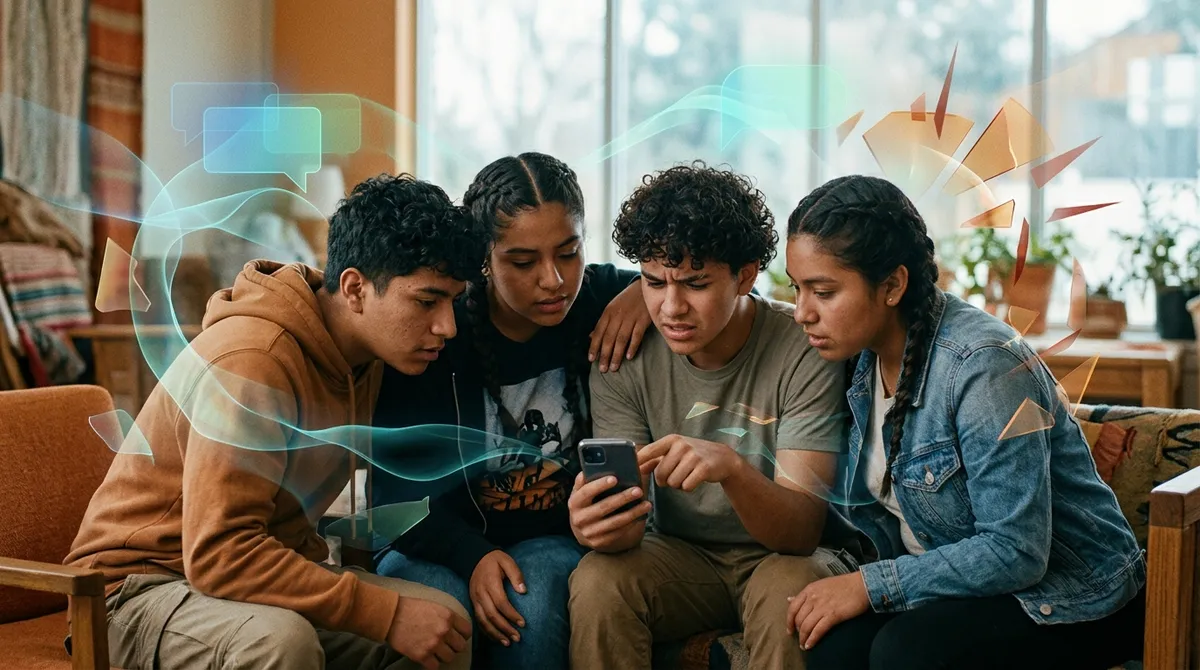
What sets this study apart is its approach: instead of traditional surveys, Latino youth ages 13–24 analyzed social media clips themselves and co-created the findings. This participatory method, according to reports, provides insights that conventional research methods often miss.
The Hidden Anti-Stigma Movement
The research uncovers something many parents may not realize—youth-led mental health education and support happening organically across social platforms. According to the findings, young people are actively creating and sharing content that challenges mental health stigma, offering peer support in ways that traditional resources may not provide.
This grassroots movement represents a significant shift in how mental health conversations unfold online. Rather than simply consuming content passively, many young users are becoming advocates and educators within their digital communities.
Algorithm Curation as Self-Care
Perhaps most surprisingly, the research highlights how young people are using social media algorithms as mental health tools. According to reports, teens and young adults are actively curating their feeds to protect their wellbeing—a sophisticated form of digital self-care that many adults may not recognize.
This "mindfulness behind the screen" approach shows young users taking control of their online experience rather than being passive victims of algorithmic feeds. They're learning to shape what content appears in their spaces, effectively turning potentially harmful algorithms into protective mechanisms.
Filling a Research Gap
The timing of this research is particularly significant, as Latino youth perspectives are often underrepresented in mental health studies. As policymakers and social media platforms face growing pressure to address mental health concerns, having diverse voices in the conversation becomes crucial.
The book arrives at a moment when mental health discourse on social media is increasingly influential among young people. Understanding how different communities experience and navigate these platforms can inform more effective support strategies.
Beyond the "All Bad" Narrative
While concerns about social media's impact on youth mental health are valid, this research suggests the reality is more complex than many assume. The study reveals both harmful stigmatizing content and supportive anti-stigma movements coexisting on the same platforms.
For parents trying to navigate their teens' social media use, this research offers a more nuanced perspective. Rather than viewing all online mental health content as problematic, families might consider how young people are finding genuine support and creating positive change within these digital spaces.
Implications for Families
The participatory research model used in "SocialsVoice" demonstrates the value of listening to young people's own analysis of their digital experiences. Rather than making assumptions about how social media affects teens, this approach centers youth voices in understanding their own mental health journeys.
For families concerned about social media's impact, the research suggests focusing on media literacy and helping teens develop skills for curating positive online experiences. Understanding that young people are already developing these strategies can help parents support rather than restrict their efforts.
Looking Forward
As mental health continues to be a priority for families and policymakers, research like "SocialsVoice" provides essential insights into how young people actually experience and use social media. The book's findings suggest that effective solutions will need to acknowledge both the genuine harms and the authentic supports that exist in digital spaces.
The participatory approach used in this research may also serve as a model for future studies, demonstrating how involving young people as co-researchers rather than just subjects can reveal deeper truths about their experiences with technology and mental health.